Plumbing Permits and Plumber Credentials in Washington in Kent, Washington
Washington plumbing permits and plumber requirements depend on the work, the property, and the credential needed for the task. At PlumbingKentwa.com, we explain what to check before water heater, gas line, backflow, water line, or sewer work.
Request an Estimate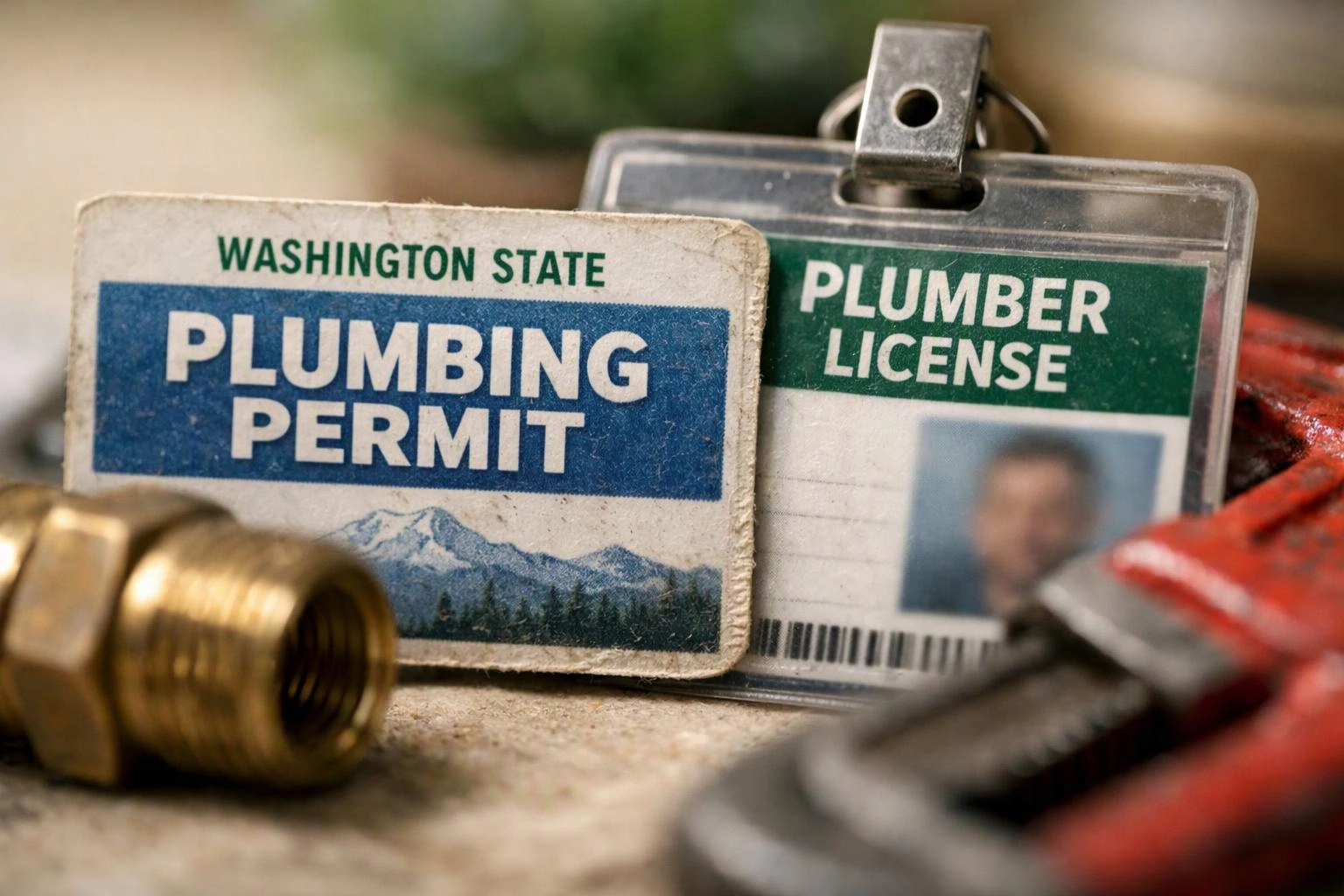
When Does Plumbing Work Need a Permit in Washington?
Plumbing permits may be needed when work installs, changes, replaces, or relocates regulated plumbing systems. Washington plumbing regulations can apply to new connections, major alterations, and work that affects safety or sanitation.
The permit decision depends on the project scope and property jurisdiction. An inspection may be required after the installation or alteration so the work can be checked for code compliance.
How Can You Check Whether Your Project Needs a Permit?
A permit check starts with a clear description of the work, the property jurisdiction, and the systems being changed. We confirm those details before work begins, so the permit application matches the actual job.
Permit needs can change when buried plumbing, fuel gas, or property connections are involved. We use the stated scope to plan the work and coordinate the required review.
What Plumber Credentials Does Washington Require?
Washington plumber requirements include the credential and contractor status that match the work being performed. A plumber certification shows the individual has the required state credential for the plumbing tasks covered by that certification.
The Washington State Department of Labor & Industries oversees relevant licensing and registration systems. A plumbing contractor also needs the proper contractor registration for the business activity and project.
We match the work to the applicable plumber certification and contractor registration before regulated work begins. Customers should also confirm that the licensed plumber and plumbing contractor status fit the project.
Which Credentials Matter for Common Plumbing Projects?
Common plumbing projects can involve different credentials, permits, and inspection steps. The table below shows the main questions we review before planning each type of work.
| Project | Credential and permit focus | Inspection focus |
|---|---|---|
| Water heater installation | Plumber certification, contractor registration, and the applicable permit. | Connections, safety controls, venting where applicable, and code compliance. |
| Gas line installation | Qualified gas piping work, contractor registration, and permit review. | Gas piping, approved connections, leak safety, and fuel-gas requirements. |
| Backflow preventer installation | Plumber certification and any required backflow credential or permit. | Assembly placement, cross-connection control, and testing requirements. |
| Water line replacement | Credentialed plumbing work, permit scope, and property connection review. | Buried pipe, shutoff points, connections, and access conditions. |
| Sewer line replacement | Permit needs for buried plumbing, excavation, and the sewer connection. | Pipe alignment, connection details, grade, and final code compliance. |
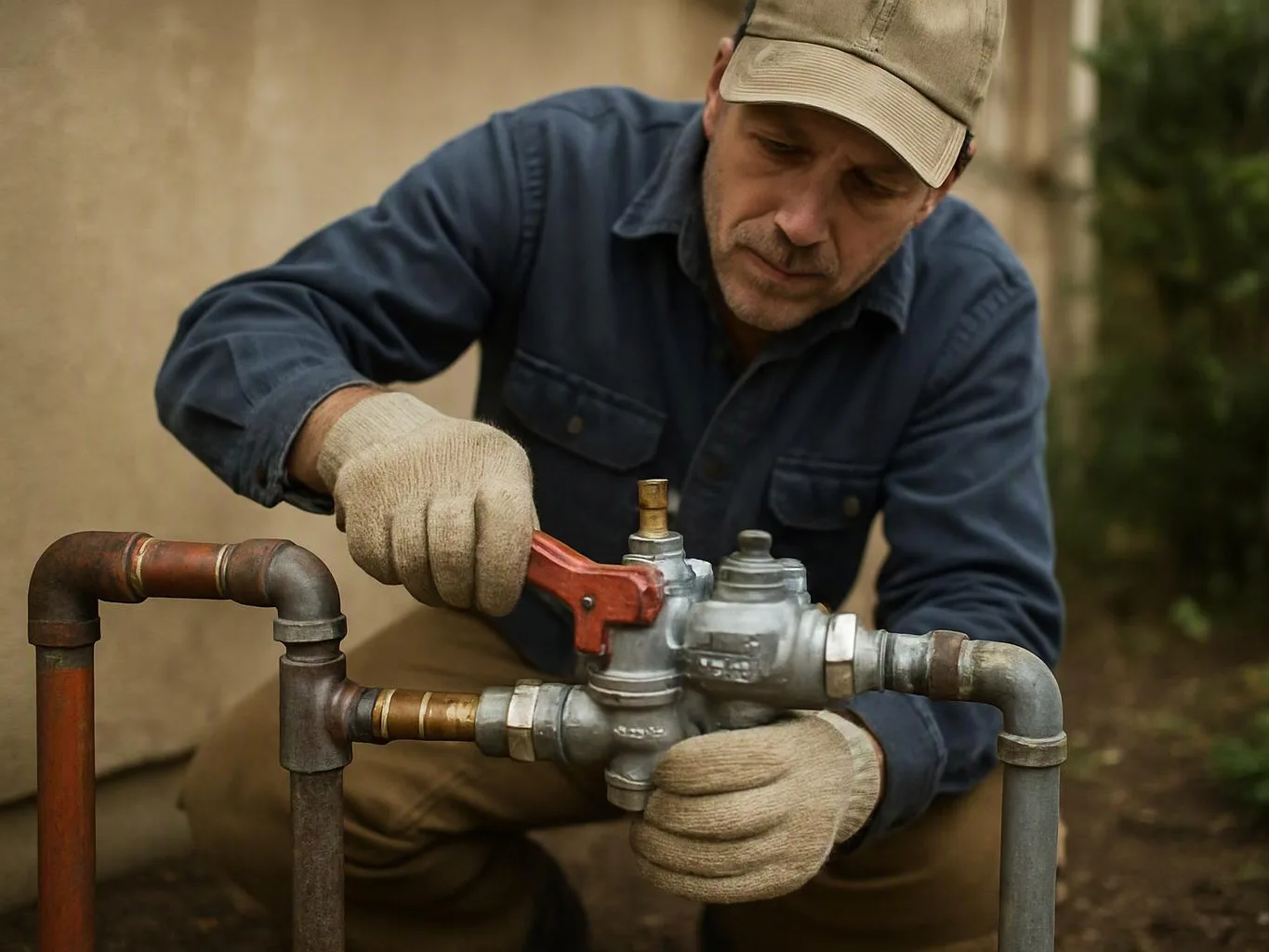
Water Heater and Gas Line Work
Water heater installation can involve plumbing connections, safety controls, and fuel-gas or electrical requirements. Gas line installation also requires careful gas piping work and combustion safety checks.
We review the equipment, connection points, and permit scope before starting. Our team follows the applicable inspection process for water heater and gas line work.
Backflow Preventer Installation
Backflow preventer installation protects drinking water by controlling cross-connections. A backflow assembly may require installation by a qualified backflow professional and testing through the applicable authority.
We check the assembly location, access, and testing needs before work begins. The completed work must support cross-connection control and inspection requirements.
Water and Sewer Line Replacement
Water line replacement and sewer line replacement involve buried plumbing, excavation, and property connections. The water service line or sewer service line may cross areas that affect access and inspection.
We review the existing plumbing, connection points, and site conditions before planning the replacement. Sloped ground can affect buried line routing and gravity drainage on some properties in Kent, Washington.
Who Should Install or Repair a Backflow Assembly?
A qualified backflow professional should install or repair a backflow assembly because the work affects drinking-water protection and testing requirements. Backflow preventer work also falls within cross-connection control procedures.
We review the assembly type, installation location, and testing authority before work begins. Testing may be required after installation or repair, depending on the applicable water protection requirements.
What Happens During a Permit and Inspection Process?
The permit and inspection process checks that planned plumbing work follows applicable code requirements before the project is closed. We organize the work around the approved scope and required inspection points.
An inspection approval confirms that the reviewed work meets the applicable requirements. We keep the work accessible for inspection and explain any correction that affects the project.
How We Prepare Permit-Ready Plumbing Work in Kent
We prepare permit-ready plumbing work by matching the permit scope to the actual installation. Our team reviews the plumbing code, existing connections, access, and inspection points before work begins.
For water heater installation, gas line installation, backflow preventer installation, water line replacement, or sewer line replacement, we document the work that needs review. We also coordinate the details needed for approved plans and inspection approval.
You can review our Water Heater Installation service when your project involves a new or replacement water heater.
What Changes the Cost of Permit-Related Plumbing Work?
Permit-related plumbing cost depends on the project scope, required materials, site access, existing plumbing, and any required inspections. We review those details and provide a quote for the specific work.
Buried lines, difficult access, property connections, gas piping, and backflow testing can change the work involved. Our quote explains the planned plumbing services and the permit-related tasks included.
Contact us with the property details and project scope so our team can review the work and prepare the right quote.
Questions About Washington Plumbing Permits
Can a homeowner pull a plumbing permit in Washington?
Yes, a homeowner may be able to pull a plumbing permit when the property and project meet the applicable requirements. We recommend confirming the permit process with the local authority before work begins.
Does replacing a water heater require a plumbing permit in Washington?
Water heater replacement may require a plumbing permit when the work changes or reconnects regulated plumbing systems. We confirm the equipment, connections, property jurisdiction, and inspection needs before starting.
Do gas line installations require a permit in Washington?
Gas line installation may require a permit because gas piping and fuel-gas safety are regulated work. We review the planned piping, appliance connection, and inspection requirements before installation.
Does sewer line replacement require an inspection?
Sewer line replacement may require an inspection when the permit scope covers buried plumbing or a property connection. We confirm the required inspection points before excavation and replacement work.
What is the difference between a plumber certification and contractor registration?
Plumber certification applies to the individual performing covered plumbing work, while contractor registration applies to the business providing the construction service. Both may matter when regulated plumbing work is planned.
Does backflow preventer work require testing after installation?
Backflow preventer work may require testing after installation because the assembly supports drinking-water protection and cross-connection control. We confirm the testing authority and required test process for the project.
Contact our team through our contact page to discuss the permit scope and plumbing work.