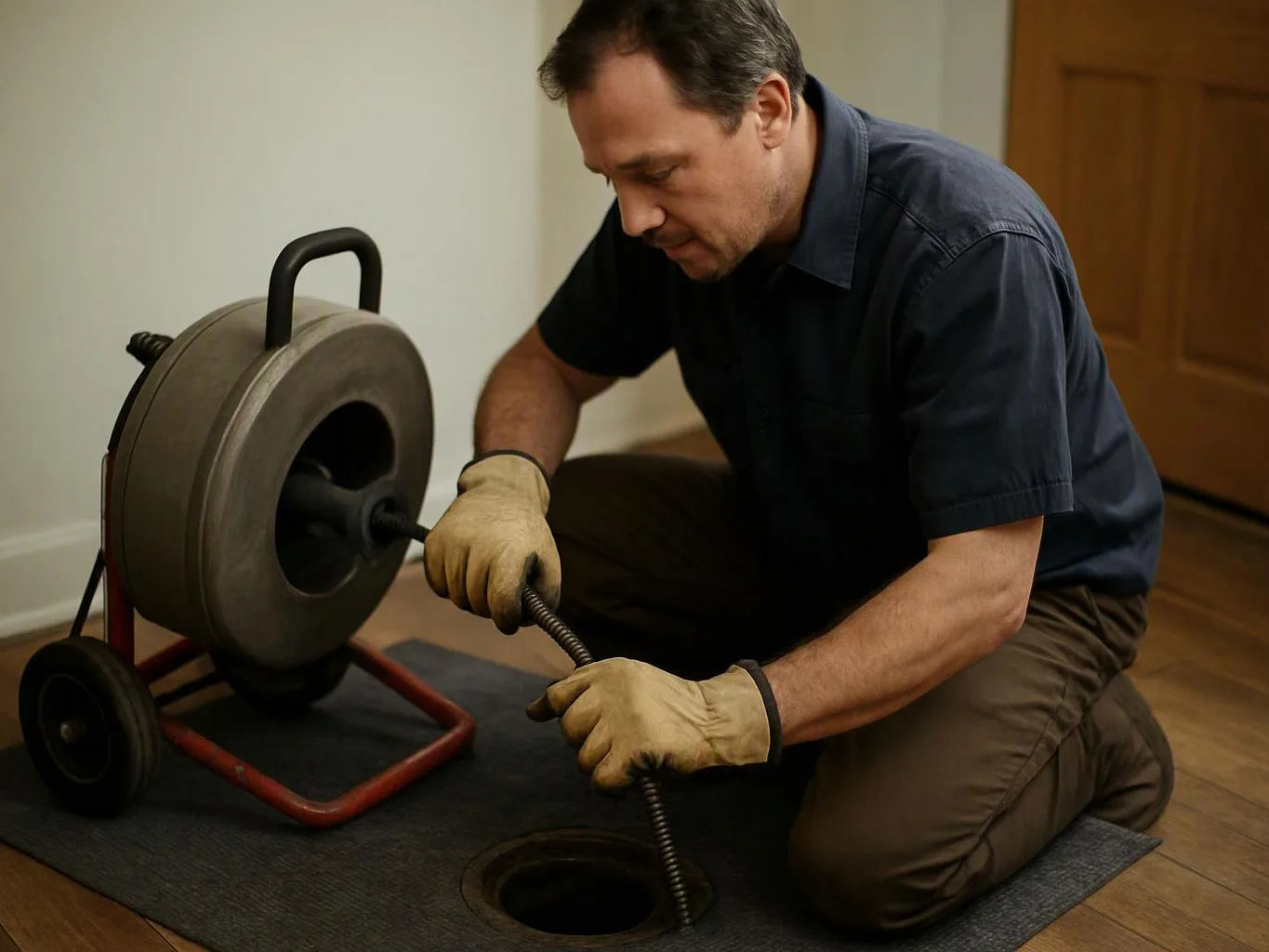
Trenchless Sewer Repair vs. Excavation: Comparing the Options
Trenchless sewer repair usually reduces digging and surface disruption, while traditional excavation offers direct access for severely damaged or inaccessible lines. PlumbingKentwa.com checks the pipe condition, layout, access, and surrounding property before recommending the better repair path.
Request an EstimateOptions at a Glance
Trenchless sewer repair and traditional excavation solve similar sewer problems through different work methods. The right choice depends on the pipe and the property above it.
- Trenchless sewer repair fits stable pipe routes with suitable access and a strong need to limit surface damage.
- Traditional excavation fits severe damage, difficult access, or projects that need direct pipe replacement.
Trenchless Repair and Traditional Excavation Compared
Trenchless sewer repair limits surface disturbance, while traditional excavation exposes the pipe directly and may fit severe or inaccessible damage. Our team compares the repair method with the pipe condition, property layout, and required restoration.
| Factor | Trenchless Repair | Traditional Excavation | Key Trade-Off |
|---|---|---|---|
| Installation method | Uses access points with limited digging. | Uses an open trench to expose the line. | Less disruption versus more direct access. |
| Cost drivers | Access, pipe condition, lining or bursting, and restoration needs. | Depth, soil, trench work, replacement materials, and restoration needs. | The lower-cost method depends on site conditions. |
| Timeline | May reduce digging and surface repair work. | Includes excavation, pipe work, backfill, and surface repair. | The route and restoration scope control the schedule. |
| Maintenance | Creates a renewed interior or installs a new line through the route. | Replaces the exposed section and allows joint inspection. | Future needs depend on installation quality and pipe use. |
| Best for | Suitable pipe routes under landscaping, driveways, or finished areas. | Collapsed, badly misaligned, or difficult-to-access sewer lines. | Pipe condition and property impact guide the choice. |
Neither method is automatically better for every sewer line repair. We use inspection findings to match the work to the actual problem.
What Are the Advantages of Trenchless Sewer Repair?
Trenchless sewer repair can preserve more of the surface because the work uses access points instead of a continuous open trench. Our team first checks whether the existing route can support lining or bursting.
Best for: trenchless sewer repair suits stable routes where access, alignment, and pipe structure support the selected method.
What Are the Advantages of Traditional Excavation?
Traditional excavation gives direct access to the sewer line, which can help when the pipe is badly damaged or trenchless access is limited. An open trench also lets our crew inspect the exposed sewer pipe and surrounding soil.
Best for: traditional excavation suits sewer line replacement when the pipe needs direct access or trenchless work cannot follow the route safely.
Which Sewer Repair Method Fits the Pipe and Property?
The better method depends on pipe damage, access, alignment, soil, nearby utilities, and the surfaces above the line. We begin with a sewer camera inspection and use the findings to plan the work.
Our team checks pipe material, pipe alignment, pipe depth, and available access points. We also review easements, underground utilities, utility conflicts, and property improvements such as landscaping or a driveway.
These checks show whether trenchless sewer repair can protect the property or whether traditional excavation provides the safer repair path. You can review our Trenchless Sewer Repair service to see how limited-access work may fit your project.
When Is Trenchless Sewer Repair Not an Option?
Trenchless sewer repair may not fit when the pipe cannot support lining or bursting, access is inadequate, or the route cannot be followed safely. A collapsed pipe, severely misaligned pipe, or unsuitable pipe diameter can limit the available methods.
Underground utilities can also affect the plan. Our team checks pipe access, lateral connections, and route conditions before recommending pipe lining or pipe bursting.
How Do Pipe Lining and Pipe Bursting Differ?
Pipe lining creates a new pipe inside the existing line, while pipe bursting breaks the old line and pulls a replacement pipe through the route. Both methods require a suitable route and planned access.
Cured-in-place pipe lining works inside an existing sewer line and may preserve the route and surrounding surfaces. Pipe bursting replaces the old line and may change the pipe diameter or affect lateral connections, so our team checks those details first.
When the existing pipe cannot support lining or the route needs a full sewer replacement, excavation may provide better control.
What Changes the Cost of Each Sewer Repair Method?
Sewer repair cost changes with pipe condition, access, depth, length, soil, surface restoration, and the selected method. The same repair method can require different work when the route or property changes.
Pipe length and depth affect labor and equipment needs. Soil conditions, utility conflicts, permits, and inspection findings can also change the scope.
Our repair quote should explain the inspection findings, selected repair method, access plan, pipe materials, restoration work, and any permit-related requirements. Requesting a quote after inspection gives you a clearer comparison between trenchless repair and traditional excavation.
How We Evaluate the Repair Approach
Our team evaluates the sewer line in stages so the repair quote matches the actual site conditions. Each step helps separate a suitable trenchless repair from a necessary excavation project.
Which Option Makes Sense for Your Sewer Line?
Trenchless repair suits many stable pipe routes with suitable access, while excavation suits direct replacement and conditions that block trenchless work. The best choice protects the long-term pipe condition and fits your property priorities.
We consider surface disruption, pipe access, utility conflicts, soil conditions, and the need for sewer line replacement. A sewer camera inspection gives our team the information needed to recommend the repair method with confidence.
Before approving work, ask whether the quote covers inspection findings, access work, pipe connections, permits, and surface restoration. Our team can explain the trade-offs in plain language and outline the next step.
How to Choose a Sewer Repair Approach
A sound choice starts with verification, not with the least disruptive method alone. Use the inspection and quote to confirm that the proposed work fits the pipe and property.
Questions About Trenchless Sewer Repair and Excavation
Does trenchless sewer repair last as long as traditional pipe replacement?
Trenchless sewer repair can provide a durable result when the pipe condition, materials, and installation method are suitable. The long-term outcome depends on the inspection findings, correct preparation, and proper installation.
Can trenchless sewer repair be used under a driveway?
Yes, trenchless sewer repair can suit a driveway when the pipe route, access points, alignment, and surrounding utilities support the method. Our team checks those conditions before recommending work under a finished surface.
Does pipe lining work on a collapsed sewer line?
No, pipe lining usually cannot correct a fully collapsed sewer line because the existing route may not support the liner. Our team checks whether pipe bursting or traditional excavation is more suitable.
Will trenchless sewer repair damage landscaping?
Trenchless sewer repair can reduce landscaping damage because the work uses access points instead of a continuous open trench. Surface impact still depends on the route, access, soil, and required equipment.
What should a sewer repair quote include?
A sewer repair quote should explain the inspection findings, repair method, access work, pipe materials, permits, utility considerations, and surface restoration. We also explain the work needed for sewer line repair or sewer line replacement.
When you’re ready to discuss your sewer line, we can review the inspection findings and explain the repair path.