A Winter Plumbing Checklist for Frozen-Pipe Risk in Kent, Washington
Winter plumbing preparation means protecting exposed water lines, disconnecting hoses, checking unheated spaces, and knowing how to shut off water safely. At PlumbingKentwa.com, we explain what to check before, during, and after freezing weather, plus when to call for burst-pipe repair.
Request an EstimateWhy Frozen-Pipe Preparation Matters in Kent
Winter plumbing preparation reduces frozen-pipe and burst-pipe risk in Kent, Washington. Occasional freezing weather can affect exposed outdoor plumbing and unheated plumbing.
Water inside a frozen pipe expands and can stress the pipe or its joints. A pipe may leak after it freezes, or it may break when water begins moving again.
Exposed water lines near outdoor faucets, garages, crawl spaces, and attics need extra attention. Good home winterization helps protect those lines before cold weather arrives.
Before Freezing Weather: Prepare Your Plumbing
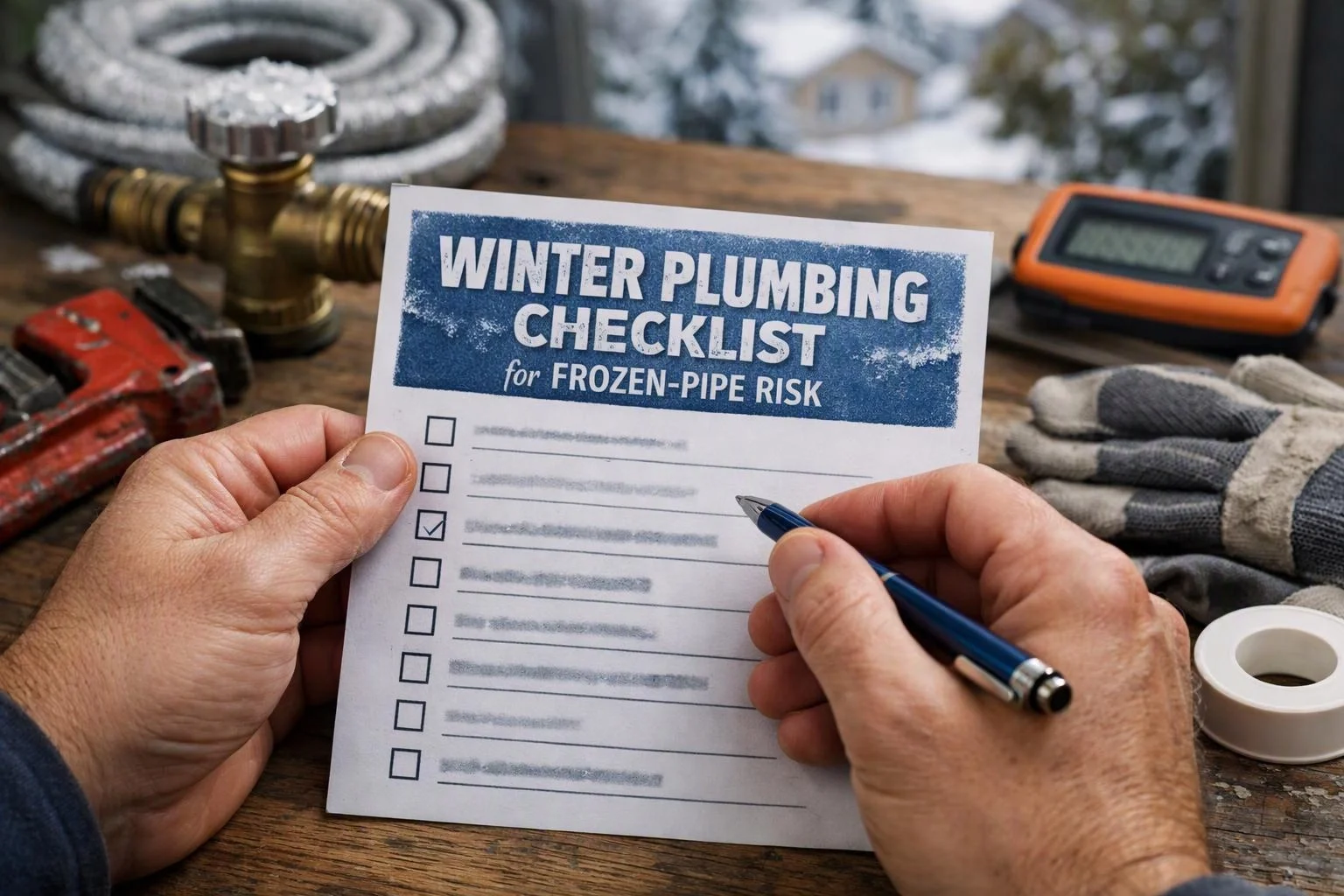
Use this cold-weather plumbing checklist before freezing weather reaches your home. Start with simple outdoor tasks, then inspect indoor areas where cold air can reach plumbing.
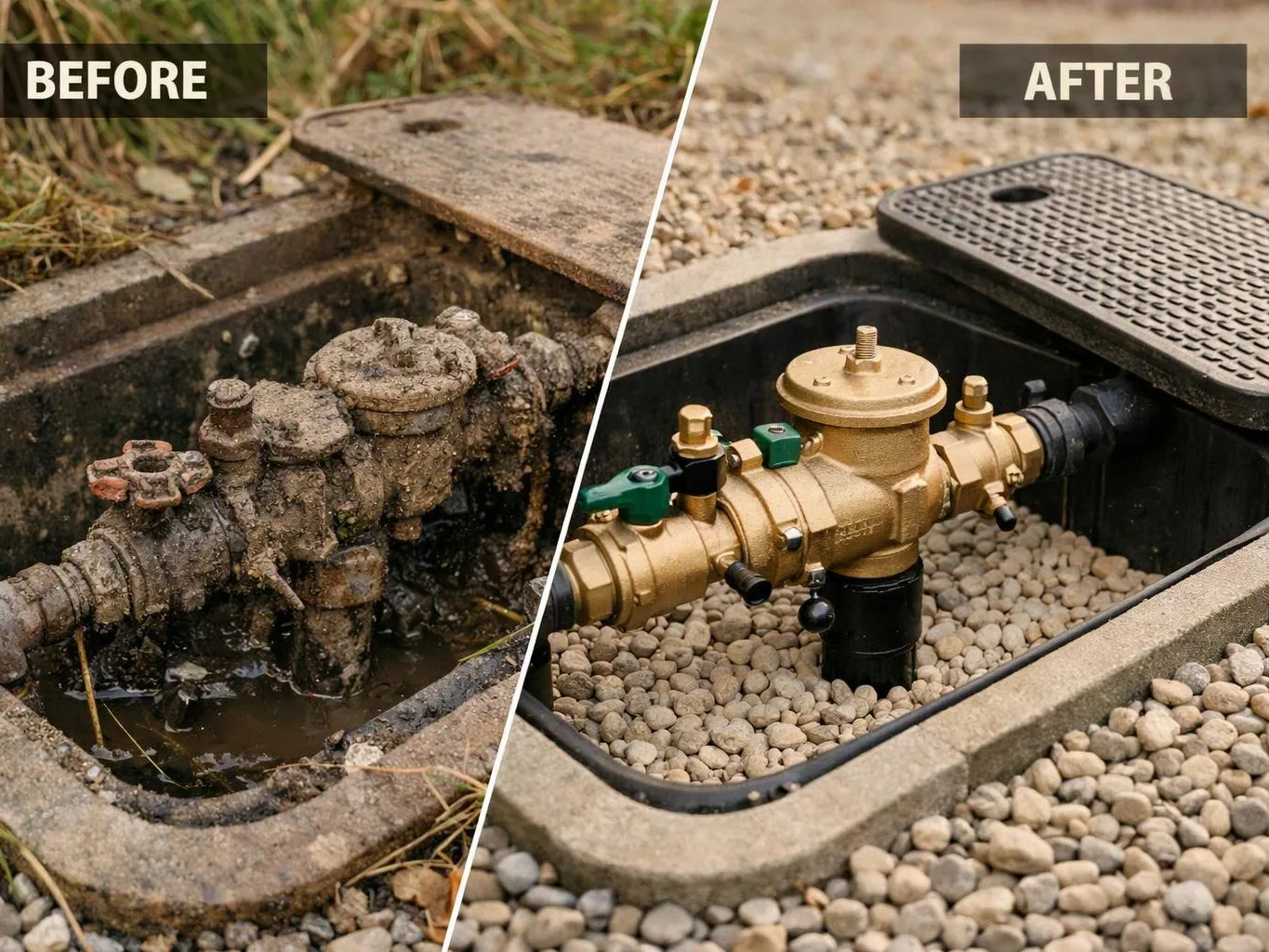
Keep the main water shutoff easy to reach, and make sure everyone in the home knows where it is. If the valve is hard to turn, our team can inspect it before an emergency.
Which Pipes Should You Insulate First?
Water supply pipes in exposed or unheated areas should be insulated first, especially where cold air can reach the line.
Prioritize exposed pipes in garages, crawl spaces, attics, and other unheated spaces. Focus on water supply lines near exterior walls and outdoor fixtures.
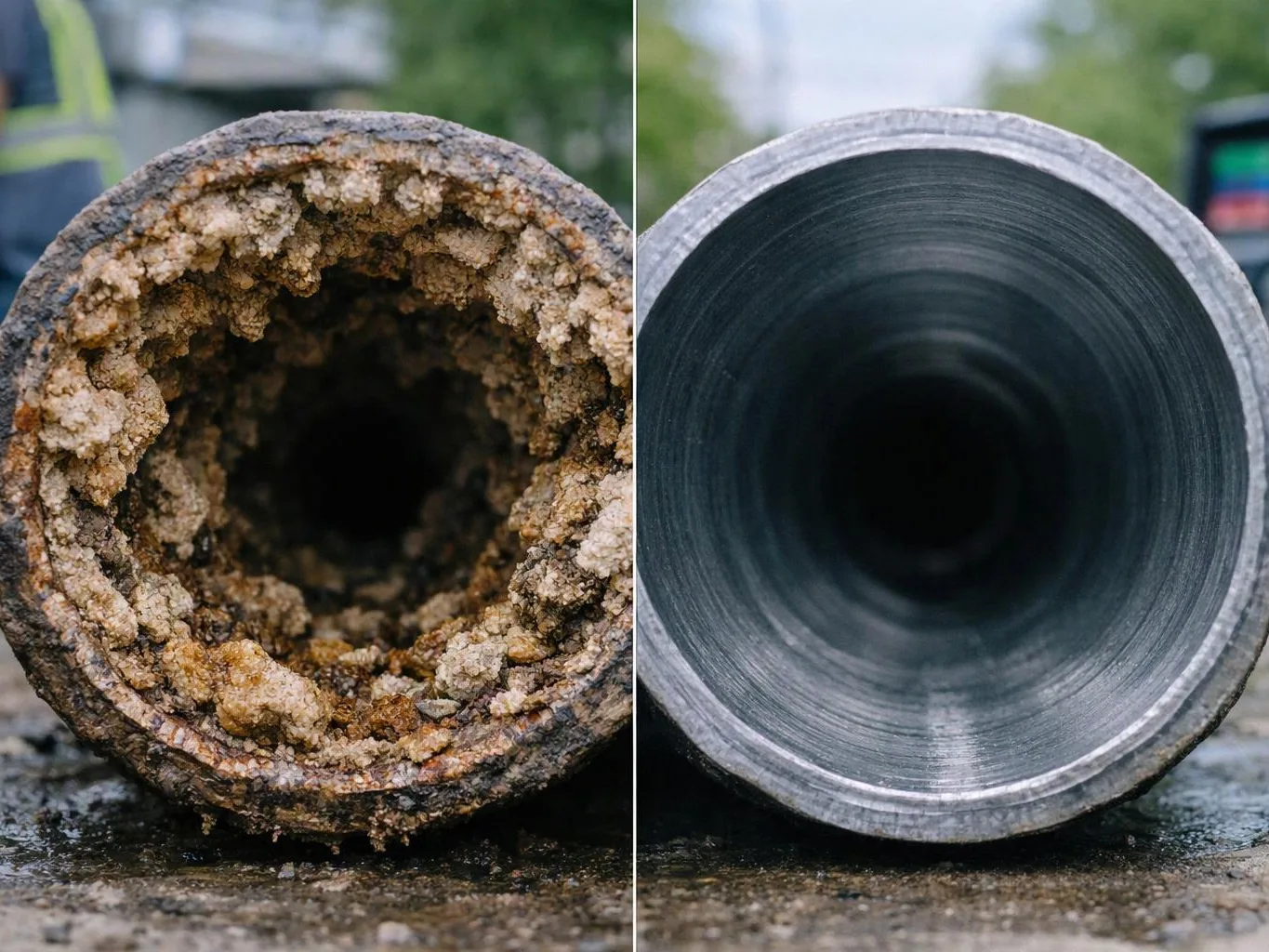
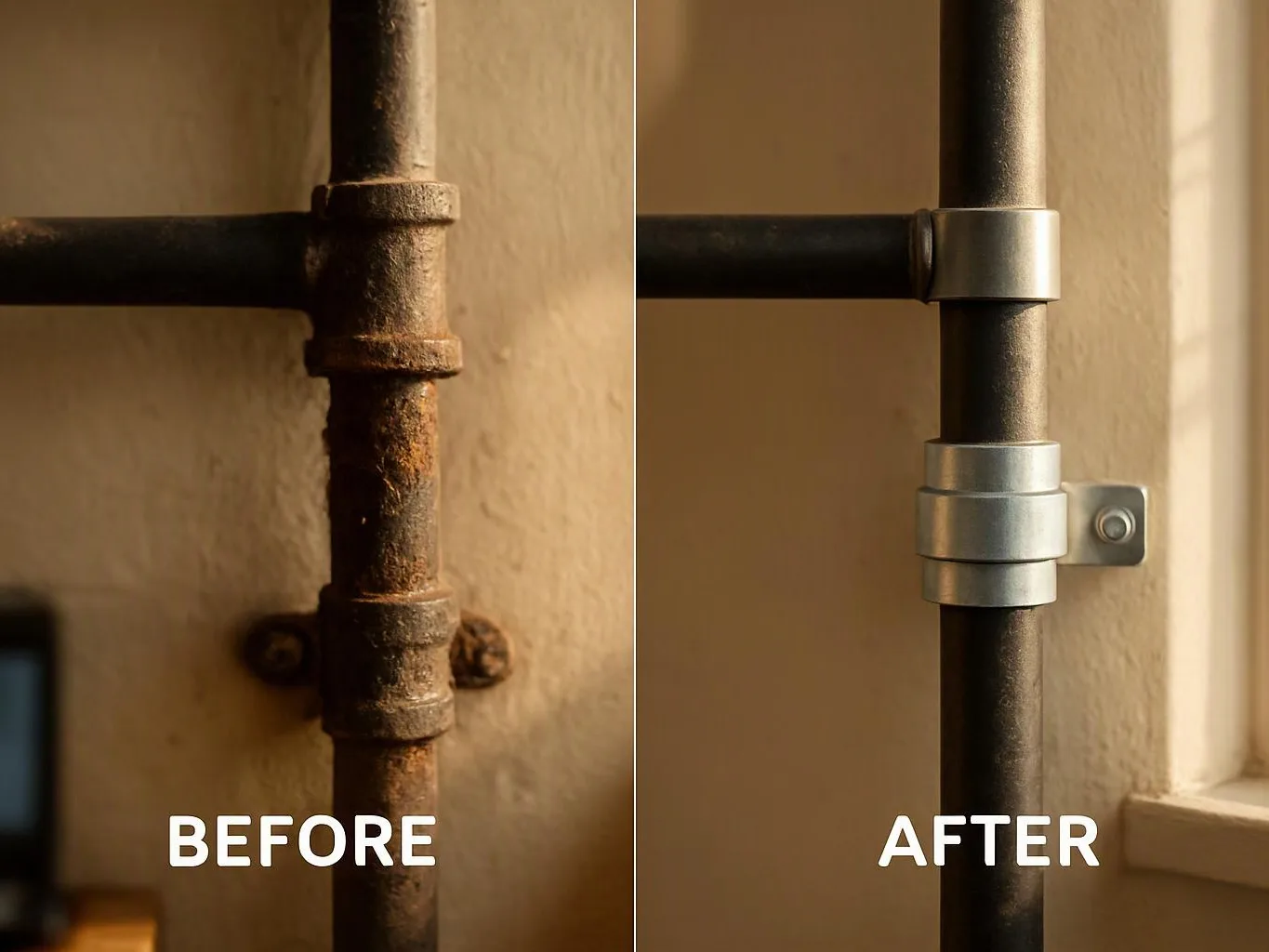
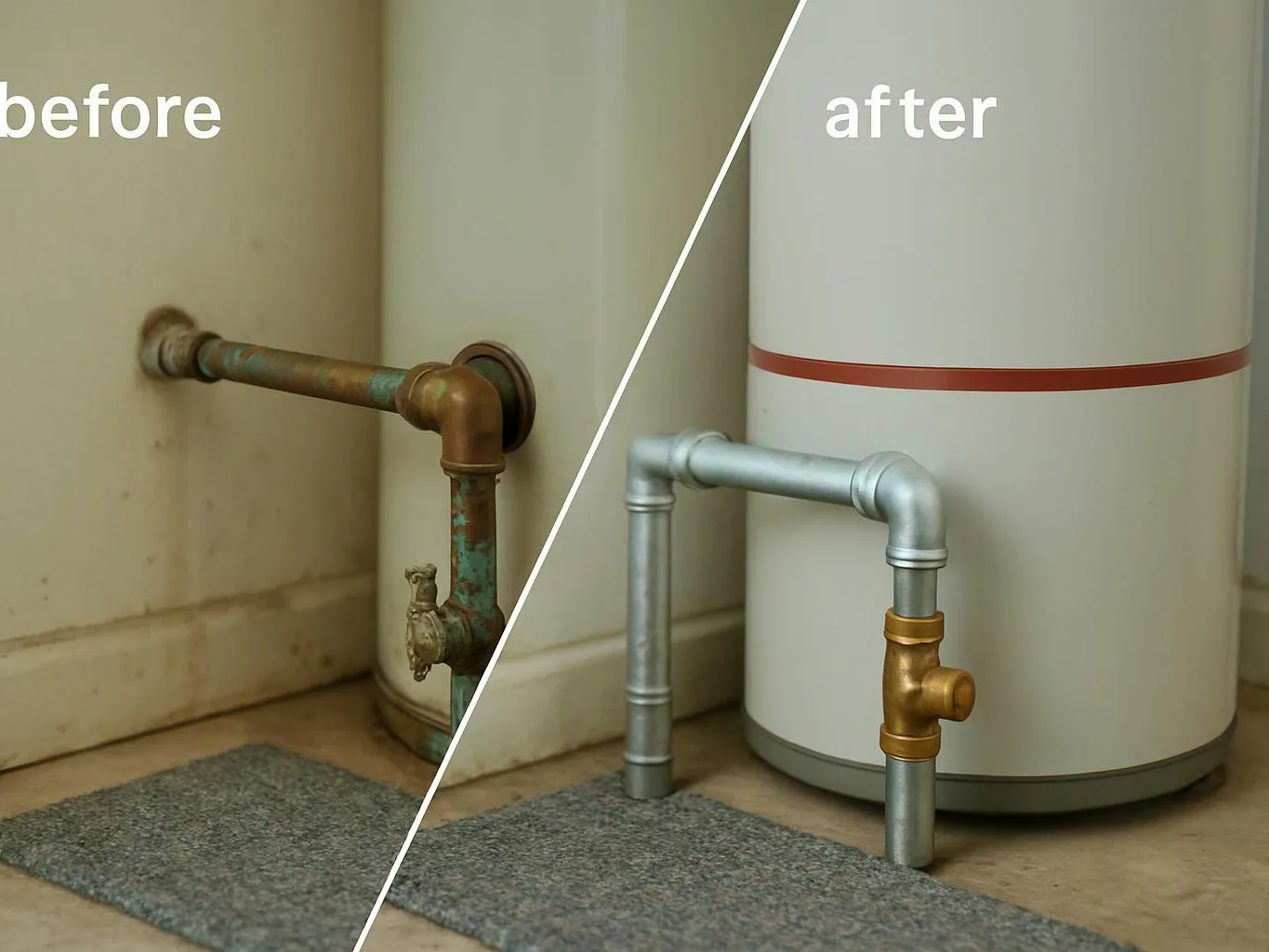
Copper pipes, PEX pipes, and PVC pipes can all need freeze protection when their location leaves them exposed. Pipe insulation helps slow heat loss, but it doesn't correct a damaged line or a space that remains open to cold air.
During Freezing Weather: Check for Trouble
During freezing weather, check water flow and exposed plumbing for early signs of trouble. Small changes can point to a frozen pipe or a developing leak.
Don't use an open flame or unsafe heat source on a pipe. If a line appears frozen or damaged, shut off water safely and contact our team.
What Are the Warning Signs of a Frozen Pipe?
Low water flow, no water from a fixture, frost, unusual sounds, and wet areas can signal frozen or damaged plumbing.
These signs can affect one fixture or several fixtures, depending on the location of the frozen pipe. Wall and ceiling damage can also show that a hidden water leak has started.
After Freezing Weather: Inspect for Damage
After freezing weather passes, inspect water supply lines and nearby areas for damage. Some leaks become visible only after ice melts and water pressure returns.
Check hidden areas carefully, but don't open walls or handle unsafe electrical equipment. Our team can trace suspected leaks and assess the condition of the plumbing.
What Should You Do If a Pipe Breaks?
If a pipe breaks, shut off the water if you can do so safely, protect the area from damage, and contact our team for burst pipe repair.
Use the main water shutoff when the break is on a supply line and the valve is safe to reach. Keep away from standing water near outlets, appliances, or damaged wiring because electrical hazards can make the area unsafe.
Move belongings away from the water only when you can do so without entering an unsafe area. Our Burst Pipe Repair service addresses the broken line and helps limit further water damage.
Call for Emergency Plumbing when water keeps flowing, the shutoff won't work, or the break affects a hidden wall or ceiling line. Pipe Repair may be needed after the immediate leak is controlled.
How We Check and Repair Freeze Damage
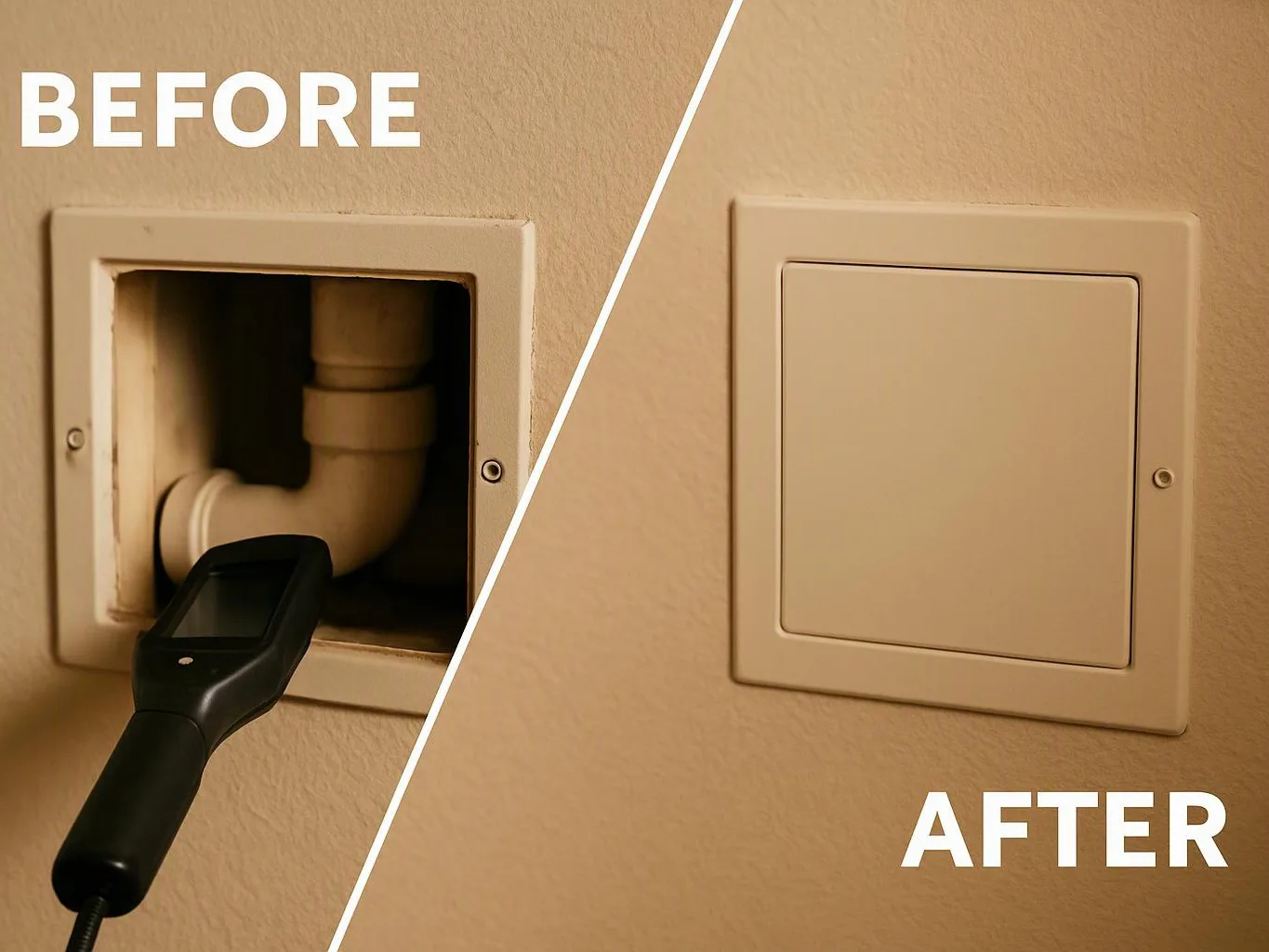
Our team starts with a pipe inspection to locate the affected water supply lines and assess visible damage. We use leak detection when the leak is hidden behind walls, ceilings, floors, or insulation.
We check pipe joints, nearby fixtures, shutoff points, and areas where freezing could have stressed the system. The repair plan depends on the damaged section, access, and the condition of connected plumbing.
Our work may include pipe repair or burst pipe repair, followed by testing for active leaks. We also identify water damage that needs prompt attention and explain the work included in the quote.
Electrical hazards require a licensed electrician when wiring or electrical equipment has been affected. Our crew handles the plumbing assessment and repair within a safe work area.
Winter Plumbing Risks at a Glance
This table connects common winter plumbing risks with safe homeowner actions and the repair response we provide. Use it as a quick reference during freezing weather and after temperatures rise.
| Plumbing risk | Warning sign | Safe homeowner action | Professional repair |
|---|---|---|---|
| Frozen pipe | Low water flow or no water | Check the fixture and keep the shutoff accessible | Pipe inspection and safe pipe repair |
| Burst pipe | Active water leak or wall damage | Shut off water if safe and avoid electrical hazards | Burst Pipe Repair and water damage assessment |
| Outdoor faucet | Dripping, cracking, or frost | Disconnect the hose and check the fixture | Faucet or connected water-line repair |
| Unheated plumbing | Visible frost or unusual pipe sounds | Inspect the space and add suitable insulation | Leak detection and water supply line repair |
Requesting a quote is the best way to understand the cost of freeze damage. The price depends on the damaged pipe, access, related water damage, and the repair needed.
Questions About Winter Plumbing Preparation
Can a frozen pipe burst after temperatures rise?
Yes, a frozen pipe can burst after temperatures rise because thawing water can restore pressure against a damaged section. Check for leaks after freezing weather and shut off water safely if a break appears.
What causes a pipe to freeze inside a home?
An indoor pipe can freeze when it runs through an unheated space or sits where cold air reaches the line. Poor protection around exposed plumbing can increase the risk.
Contact our team for help with frozen-pipe damage, water leaks, or a burst pipe.