What Low Water Pressure Can Tell You About a Plumbing Problem
Low water pressure can point to a leak, blocked or damaged pipes, a valve problem, or water-heater trouble. PlumbingKentwa.com checks where the pressure drops and connects the pattern to the right repair.
Request an EstimateWhy Is Your Water Pressure Low?
Low water pressure usually points to a restricted supply, a leaking system, damaged pipes, or a failing plumbing component.
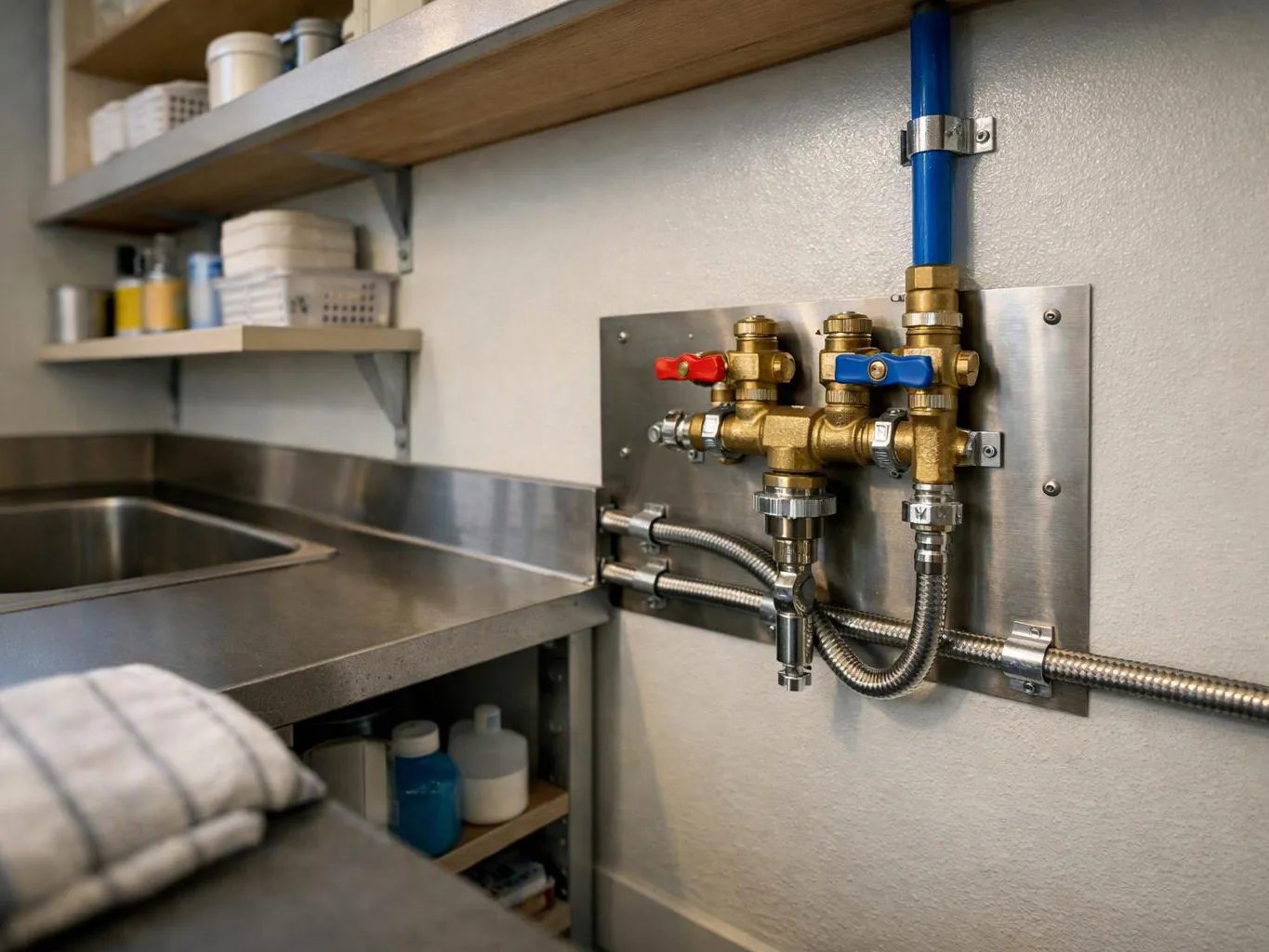
Water pressure depends on the full plumbing system, including the water supply, supply pipe, pressure regulator, and shutoff valve. A closed valve, failing regulator, or water supply restriction can reduce flow throughout the home.
A leak can also lower pressure because water escapes before reaching the fixtures. Our team looks for pressure changes, damp areas, and other signs that connect weak water flow to the actual plumbing problem.
Warning Signs That Low Water Pressure Needs Attention
Low water pressure needs attention when the change is sudden, widespread, or linked with signs of water damage.
These patterns help show whether the problem is local or affects the whole plumbing system.
What Low Pressure Throughout the House Can Mean
Low pressure throughout the house points to a shared supply problem, such as a main-line restriction, leak, valve issue, or pressure-control failure.
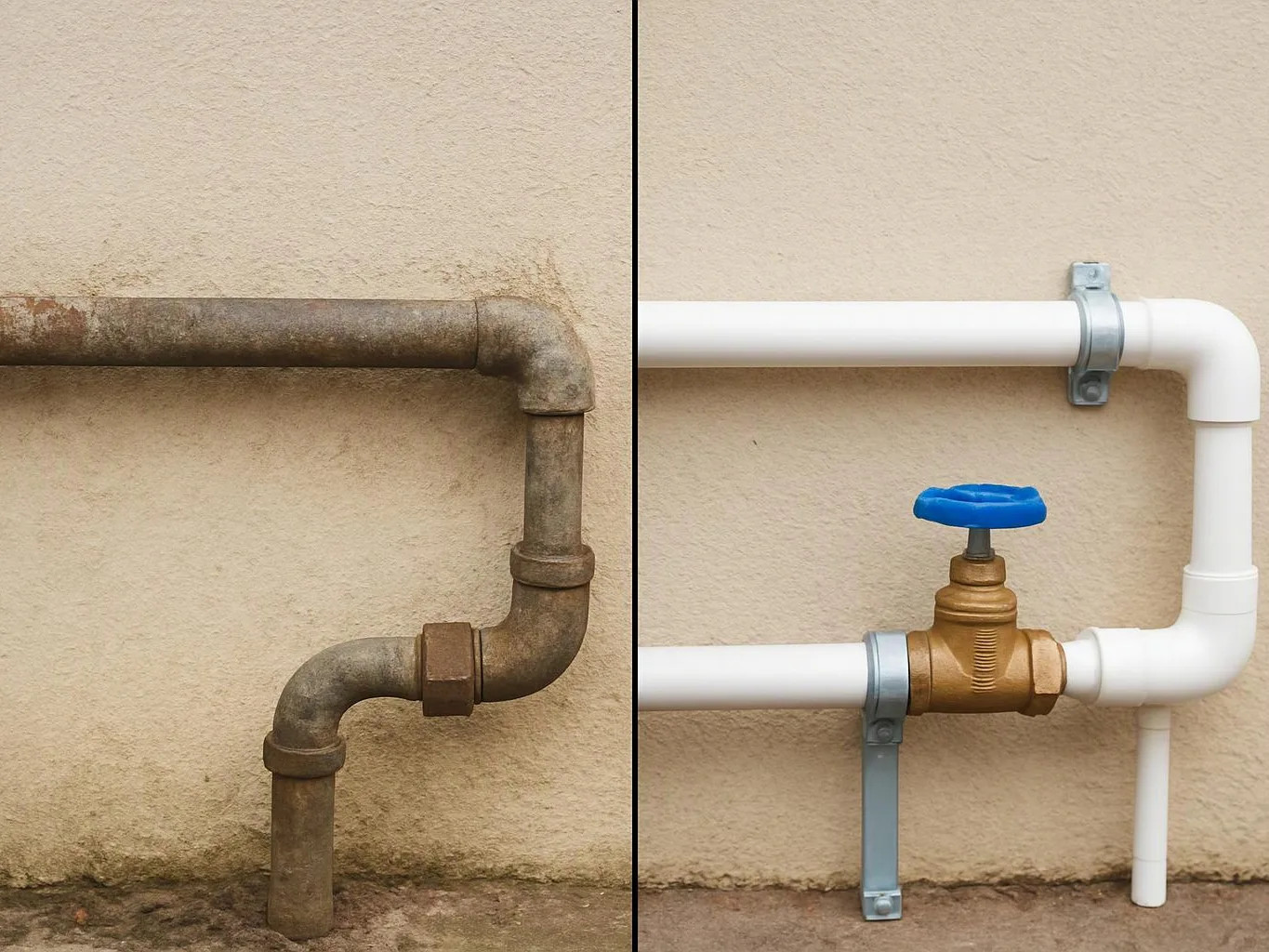
Whole-house water pressure can fall when the main water line or supply pipe is blocked, leaking, or damaged. Pipe corrosion and mineral buildup can narrow the passage and reduce flow to every fixture.
A house shutoff valve may be partly closed, or the pressure regulator may not control flow correctly. Our team traces the pattern before recommending leak detection, pipe repair, or water line repair.
When the cause may be underground or hidden, our Leak Detection process helps identify where water is escaping and whether water damage may be developing.
Why Is Pressure Low at Only One Sink or Shower?
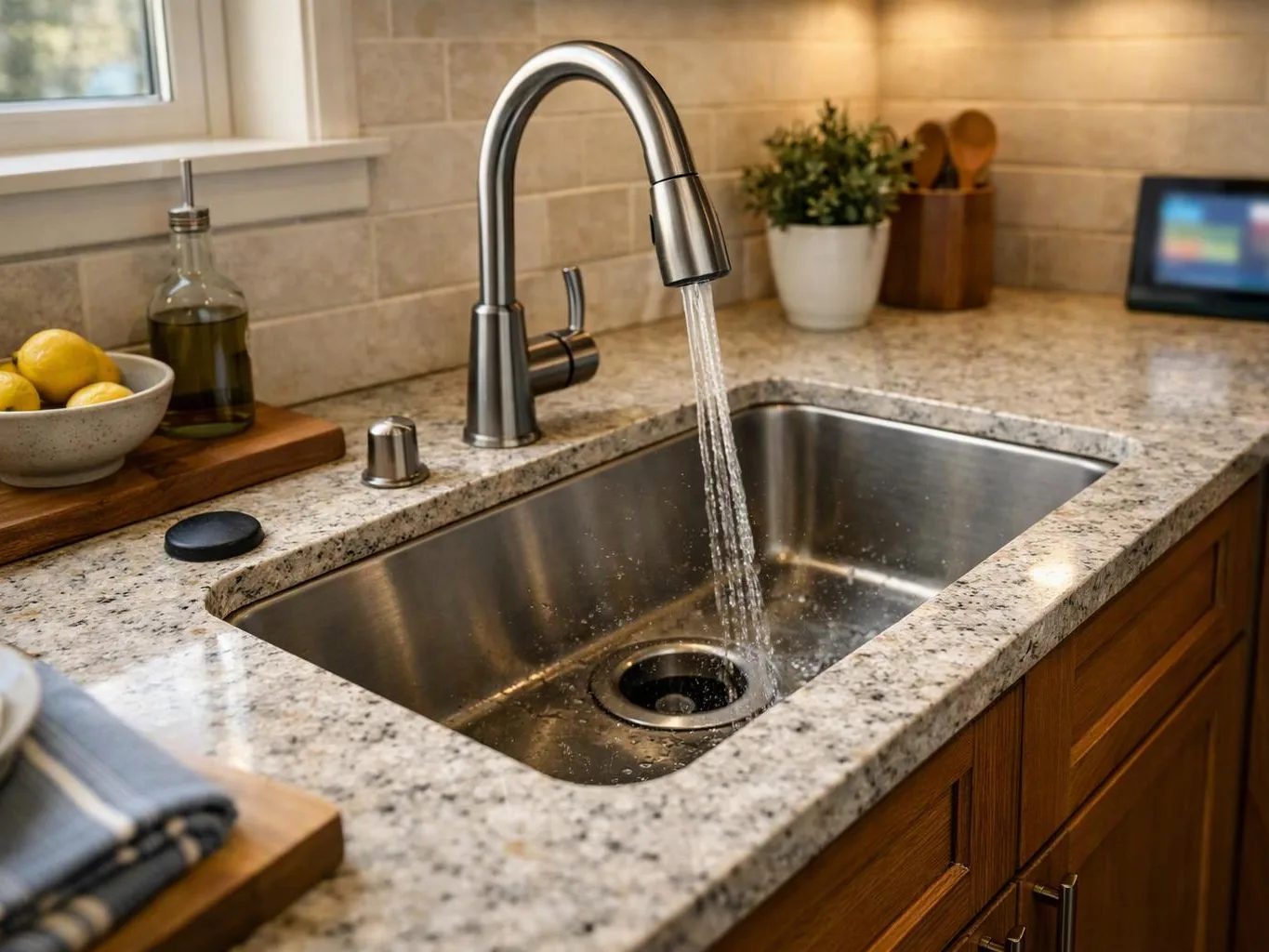
Low pressure at one fixture usually indicates a clogged aerator, showerhead, supply line, or local shutoff valve.
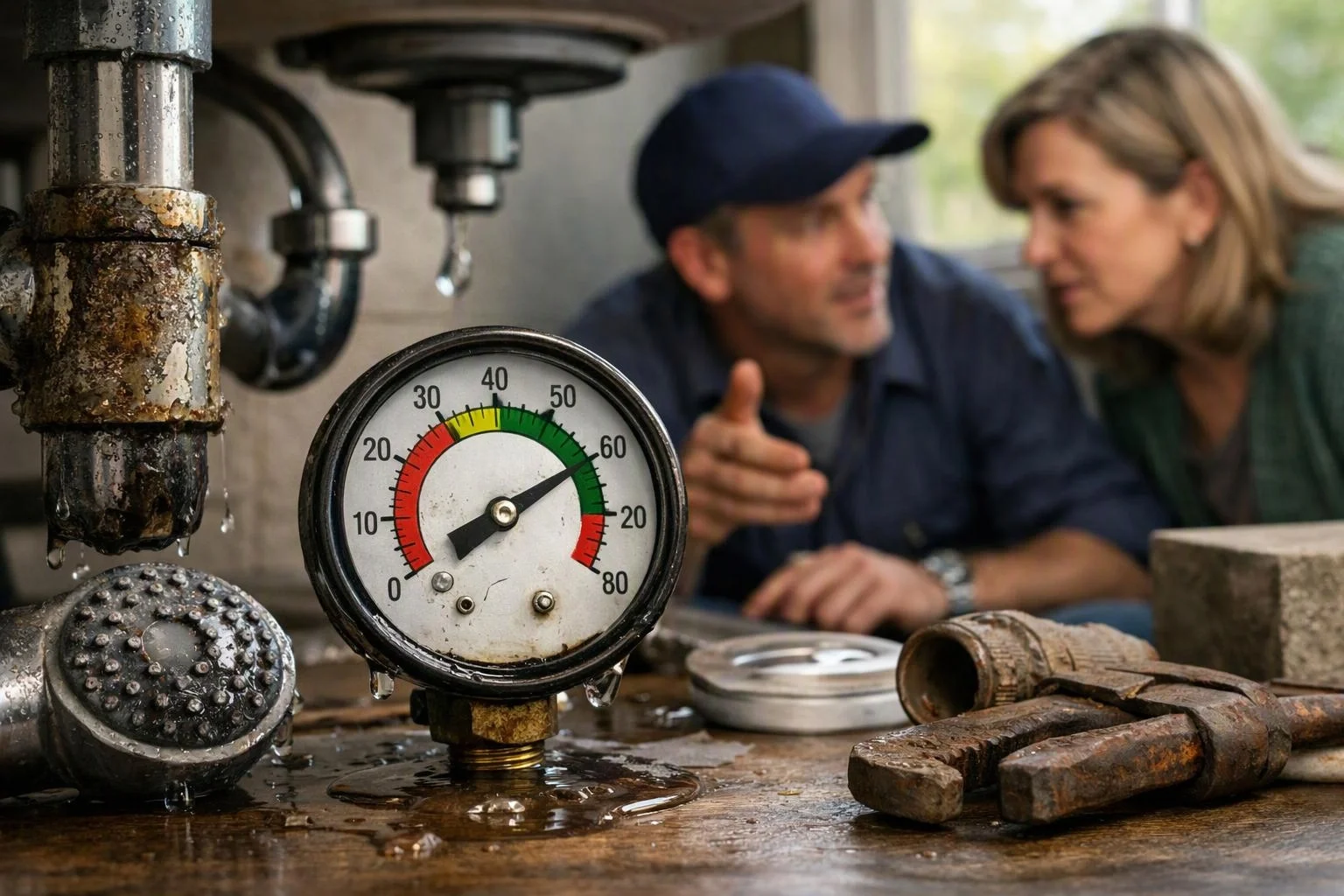
A faucet aerator or showerhead can collect mineral deposits and restrict flow at the outlet. A fixture shutoff valve may also be partly closed or worn.
When only one sink or shower has poor water flow, the issue is usually local. Our team checks the fixture, supply line, and nearby connections for a localized blockage.
What Does Low Hot-Water Pressure Mean?
Low hot-water pressure with normal cold pressure can indicate a water-heater restriction, hot-water pipe blockage, or mixing-valve problem.
Hot-water pressure can fall when sediment buildup limits flow through the water heater or hot-water outlet. Mineral deposits may also restrict the hot-water pipe.
A mixing valve can affect temperature and flow when it fails or becomes restricted. Our team compares hot-water pressure with cold-water pressure and checks the water heater before recommending water heater repair.
What We Check Before Recommending a Plumbing Repair
We trace where pressure drops, check for leaks and restrictions, inspect related components, and explain which repair the findings support.
Our team starts with pressure testing and fixture testing. We compare whole-house pressure with single-fixture pressure to narrow the problem.
We use leak detection when signs suggest a hidden leak or possible water damage. We also inspect the water line, pipe condition, shutoff valve, pressure regulator, and water heater when those parts fit the pressure pattern.
After the inspection, we explain the repair scope in plain language. Your quote reflects the affected part, access conditions, required materials, and whether the work involves pipe repair, water line repair, or water heater repair.
DIY Checks or Plumbing Repair: Which Is Safer?
DIY inspection is suitable for simple observations, but licensed plumbing work is safer when pressure loss involves hidden pipes, leaks, or regulated equipment.
You can note which fixtures have weak flow, check for visible damp areas, and see whether a fixture valve appears fully open. Stop there if the cause isn't clear or water damage is present.
| Factor | What you can do yourself | What we do |
|---|---|---|
| DIY inspection | Observe flow changes, visible moisture, and affected fixtures. | We connect the pattern to the plumbing system and test pressure safely. |
| Leak detection | Record water sounds, stains, or wet spots without opening walls or floors. | We locate suspected leaks and assess related water damage. |
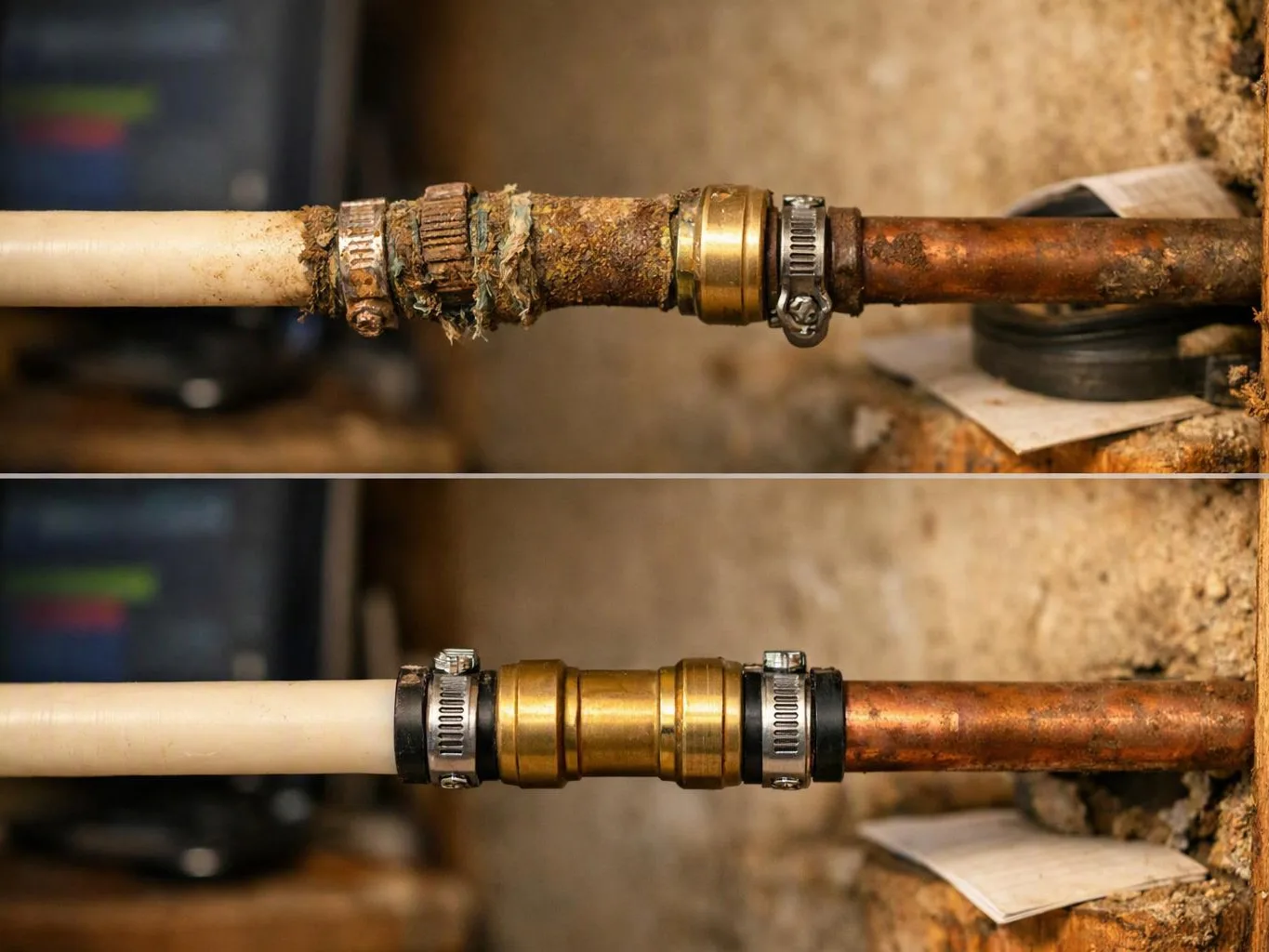
| Pipe repair | Avoid cutting into walls, floors, or buried lines. | We inspect pipe condition and define the repair scope. |
| Water line repair | Keep clear of underground line work and uncertain shutoff points. | We assess the main water line and supply pipe before repair. |
| Water heater repair | Note whether hot-water pressure differs from cold-water pressure. | We inspect the water heater, hot-water outlet, and mixing valve. |
| Licensed plumbing work | Stop when the issue involves concealed piping, major leaks, or water-heater components. | We perform the inspection and repair work with safety and applicable code requirements in mind. |
Pressure problems can worsen when a leak or blocked pipe goes unchecked. Our team can inspect the system and explain the safest repair path.
Questions About Low Water Pressure
Can a hidden leak cause low water pressure?
Yes, a hidden leak can cause low water pressure when escaping water reduces flow to fixtures. Our team uses pressure testing and leak detection to connect the pressure loss with the leak location.
Can low water pressure damage a water heater?
Low water pressure does not usually damage a water heater by itself, but the cause may require prompt inspection. A blockage, valve issue, or supply problem can affect hot-water flow and heater performance.
Why does water pressure change when another fixture runs?
Water pressure changes when another fixture runs because both fixtures draw from the same supply system. A restriction, undersized supply pipe, pressure regulator issue, or developing leak can make the change more noticeable.
Should you shut off the water when pressure drops suddenly?
Yes, shut off the water when a sudden pressure drop comes with active leaking, flooding, or unexplained water sounds. Call our team when the leak location isn't clear or the shutoff valve isn't safe to operate.