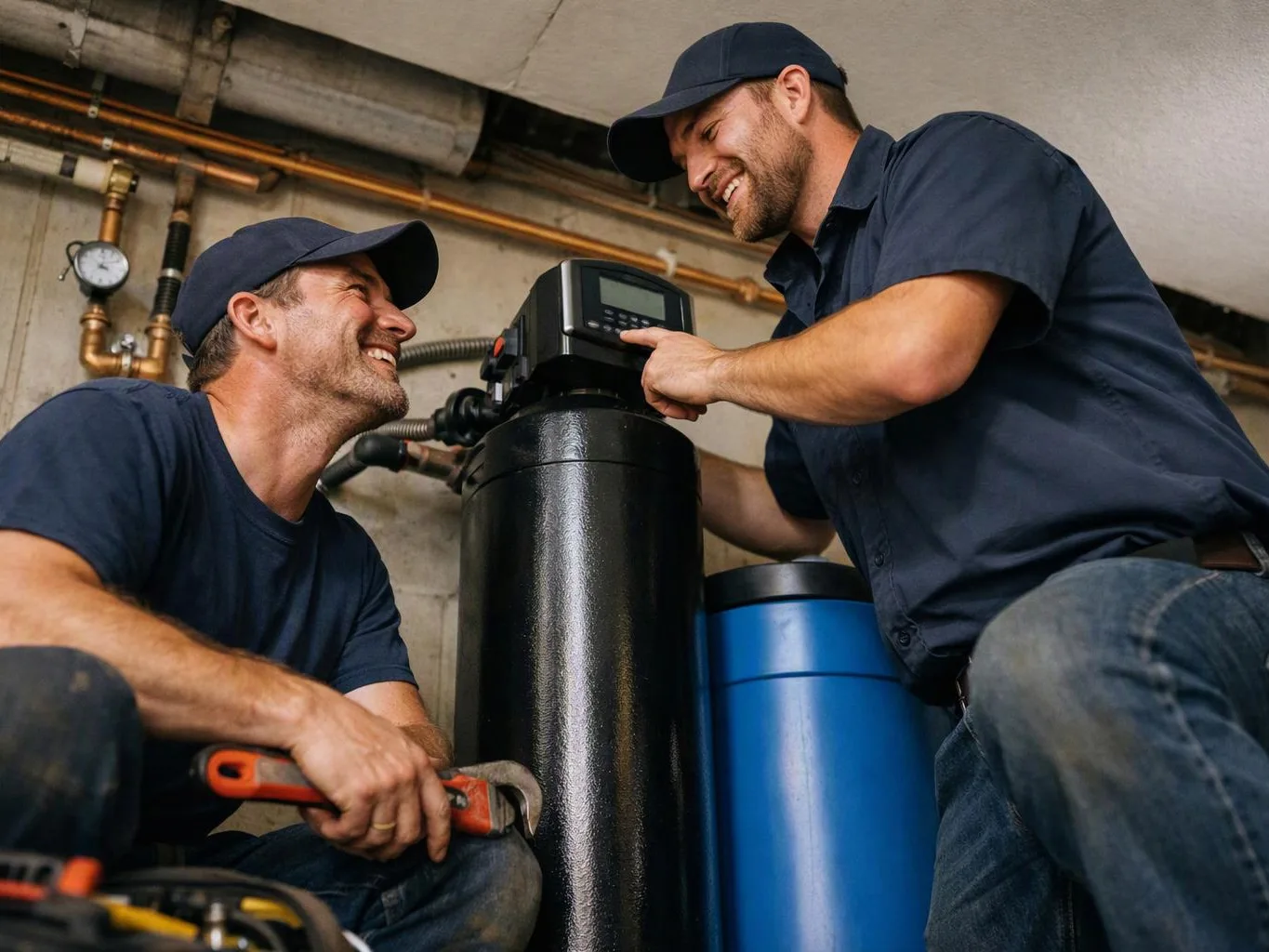
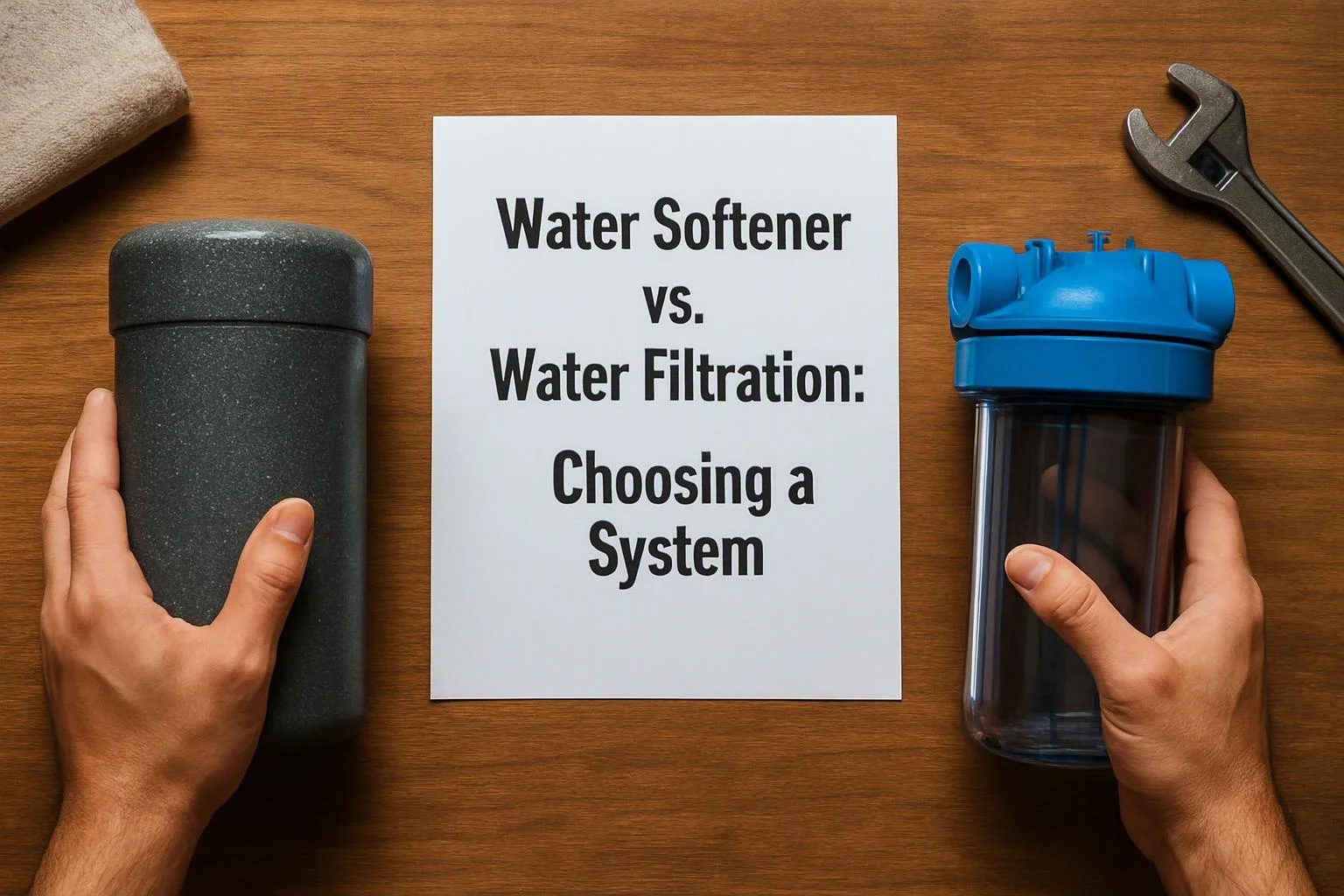
Water Softener vs. Water Filtration: Choosing a System
A water softener targets hardness minerals that cause scale, while a water filtration system targets specific contaminants, taste, or odor. PlumbingKentwa.com can assess your water concerns and help match the system to your home.
Request an EstimateWhat’s the Difference Between a Water Softener and a Water Filter?
A water softener reduces hardness minerals, while a water filtration system targets selected contaminants, taste, or odor.
A water softener is a water treatment system made for hard water. It helps address scale, mineral residue, and related buildup in plumbing fixtures and appliances.
A water filtration system uses filter media designed for a specific water concern. A sediment filter can reduce suspended particles, while a carbon filter may address taste, odor, or selected contaminants.
Soft water and filtered water describe different treatment results. Water testing helps show whether hardness, water contaminants, or another water quality concern needs attention.
Water Softener vs. Water Filtration System at a Glance
The better system depends on whether the main concern is hard water, a specific contaminant, or general water quality.
We compare function, installation requirements, and maintenance needs before recommending treatment. Cost also depends on the system design and the work needed at the installation location.
| Factor | Water Softener | Water Filtration System |
|---|---|---|
| Main purpose | Reduces hardness minerals and scale | Removes or reduces selected contaminants |
| Cost | Depends on system capacity, plumbing changes, controls, and installation conditions | Depends on filtration method, treatment goals, filter stages, and installation conditions |
| Installation timeline | Depends on the installation location, plumbing access, drainage, and electrical needs | Depends on the system type, installation location, plumbing access, and filtration stages |
| Maintenance | Requires system checks and replenishment of treatment material when applicable | Requires filter replacement or other maintenance based on system design |
| Best for | Homes with hard-water scale, mineral buildup, or related plumbing concerns | Homes focused on sediment, taste, odor, or a defined water-quality concern |
- Water softener: best when hardness minerals cause scale or residue throughout the home.
- Water filtration system: best when a specific contaminant, sediment, taste, or odor needs attention.
What Are the Advantages of a Water Softener?
A water softener is most useful when hardness minerals create scale, residue, or appliance concerns.
Hard water can leave mineral deposits on fixtures and create soap residue during cleaning or bathing. A softening system addresses hardness throughout the plumbing when whole-home treatment fits the need.
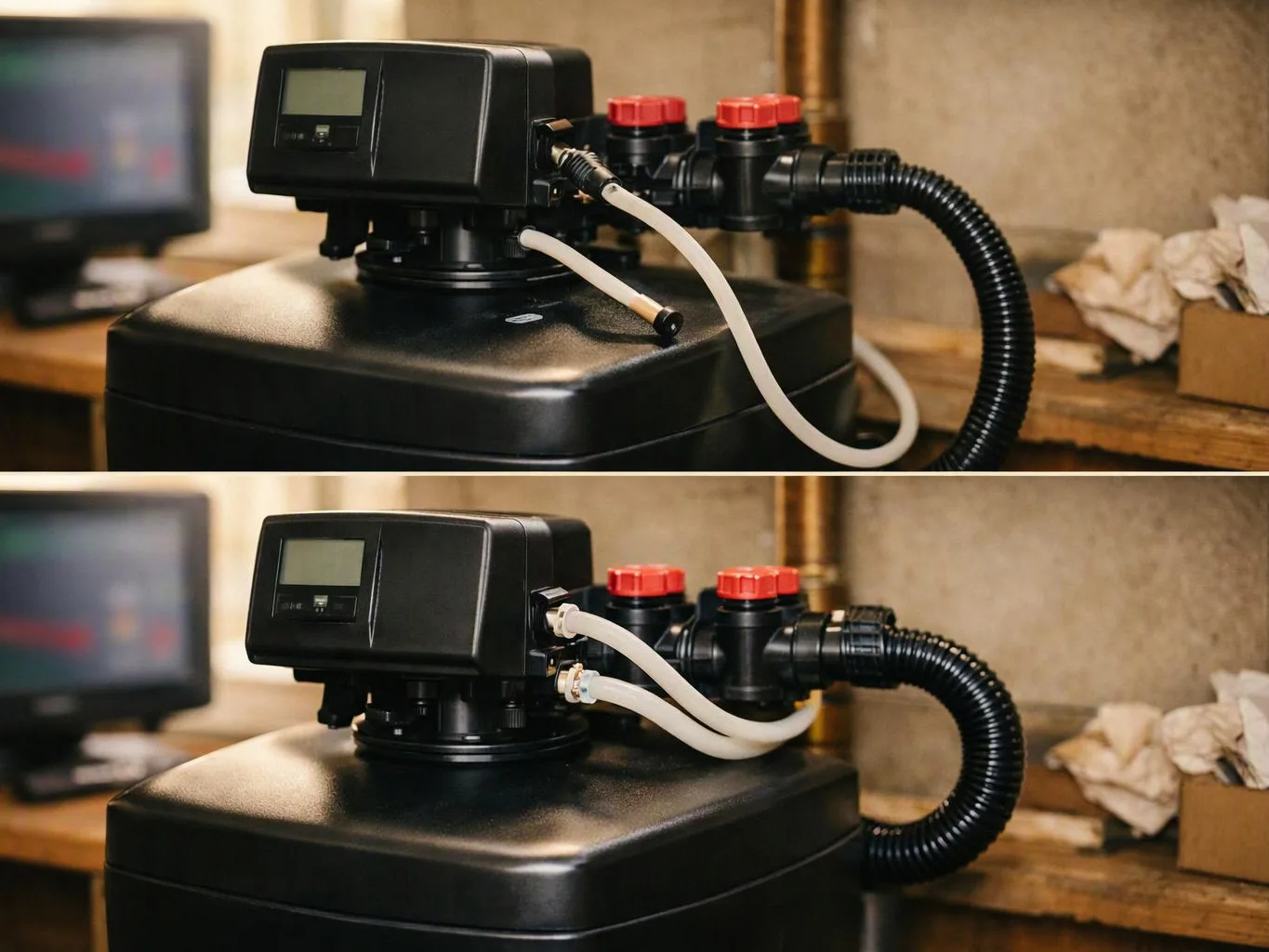
A water softener can include a resin tank, brine tank, control valve, bypass valve, and drain line. We also provide water softener repair when a system has operating or plumbing problems.
What Are the Advantages of a Water Filtration System?
A water filtration system is most useful when the household wants to target specific contaminants, sediment, taste, or odor.
Filtration performance depends on the filter media and the contaminant it is designed to reduce. A carbon filter, sediment filter, and other treatment media each serve different purposes.
Whole-house filtration treats water as it enters the home. Point-of-use filtration focuses on a selected faucet or drinking-water location, so coverage should match the concern.
We use available water-quality information and the desired treatment goal to help select the right filter housing, cartridge, and maintenance plan.
Which Water Treatment System Fits Your Home?
Choose a softener when hardness is the main concern, choose filtration when a specific water-quality issue is the concern, and consider both when the problems differ.
Water testing or reliable water-quality information can prevent a mismatch between the system and the problem. Treatment coverage should also match how the water is used.
What Affects Water Filtration System Installation?
Water filtration system installation depends on the treatment design, available plumbing access, installation location, drainage, and power needs.
We review the water concern, system placement, pipe routing, shutoff access, drainage, and operating requirements before installation. We also check water pressure and the space needed for the filter housing.
The main water line may require careful routing around existing plumbing. A drain connection, electrical outlet, drain line, and accessible shutoff valve may also affect the installation plan.
Our team can help assess equipment through a water filter supplier service and explain which installation requirements apply to the selected system.
How We Compare Your Water Treatment Options
PlumbingKentwa.com compares the water concern, system requirements, installation conditions, and ongoing maintenance before recommending an option.
Our team considers system sizing, plumbing access, and the proposed treatment coverage. We explain the installation quote so you can see which work and equipment it includes.
What Should You Ask Before Buying a Water Softener?
Before buying a water softener, ask what hardness problem it addresses, how it fits your plumbing, and what maintenance it requires.
Ask whether the system capacity matches the household demand and water hardness. Ask where the equipment will sit and whether the location has suitable plumbing access.
Confirm the drain connection, power needs, bypass access, and shutoff valve placement. Ask how regeneration settings work and which maintenance materials the system needs.
Review filter or treatment material requirements, service needs, warranty terms, and installation requirements. Ask our team to explain what the quote includes before approving the work.
Questions About Water Softeners and Filtration
Can you use a water softener and a water filtration system together?
Yes, a water softener and a water filtration system can work together when hardness and another water-quality concern both need treatment. The systems should be sized and arranged for the household water use and available plumbing.
Does a water softener remove contaminants from drinking water?
No, a water softener mainly addresses hardness minerals and does not replace contaminant-specific filtration. A suitable drinking-water filter may be needed for a defined water-quality concern.
Does a water filter soften hard water?
No, a standard water filter does not soften hard water unless it uses treatment media designed for hardness reduction. Filter selection should follow water testing and the stated treatment goal.
Should a water softener treat the whole house?
A water softener should treat the whole house when hard water affects multiple fixtures, appliances, or plumbing areas. A point-of-use system may fit when the concern is limited to drinking water.
When does a water softener need repair?
A water softener needs repair when it stops treating hardness, leaks, fails to regenerate, or has control, valve, drain, or connection problems. We inspect the system and explain the repair needs before work begins.
Our team can review your water treatment needs and explain the system options, installation conditions, and maintenance requirements.
Related Resources
Water Softener vs. Water Filter: Which Does Your Home Need?
Everything About ItWater Softeners: How They Work, Their Benefits, and System Types
Brand vs BrandWater filter supplier Companies Worth Comparing in Kent (2026)
Brand vs BrandSnoFalls Plumbing LLC vs Local Water filter supplier Alternatives in Kent: Side-by-Side Comparison