Water Heater Warning Signs You Shouldn’t Ignore
Signs of water heater problems include leaks, unusual noise, weak or missing hot water, rusty water, and odd smells. PlumbingKentwa.com can inspect the system, identify the cause, and explain whether repair or installation fits the problem.
Request an Estimate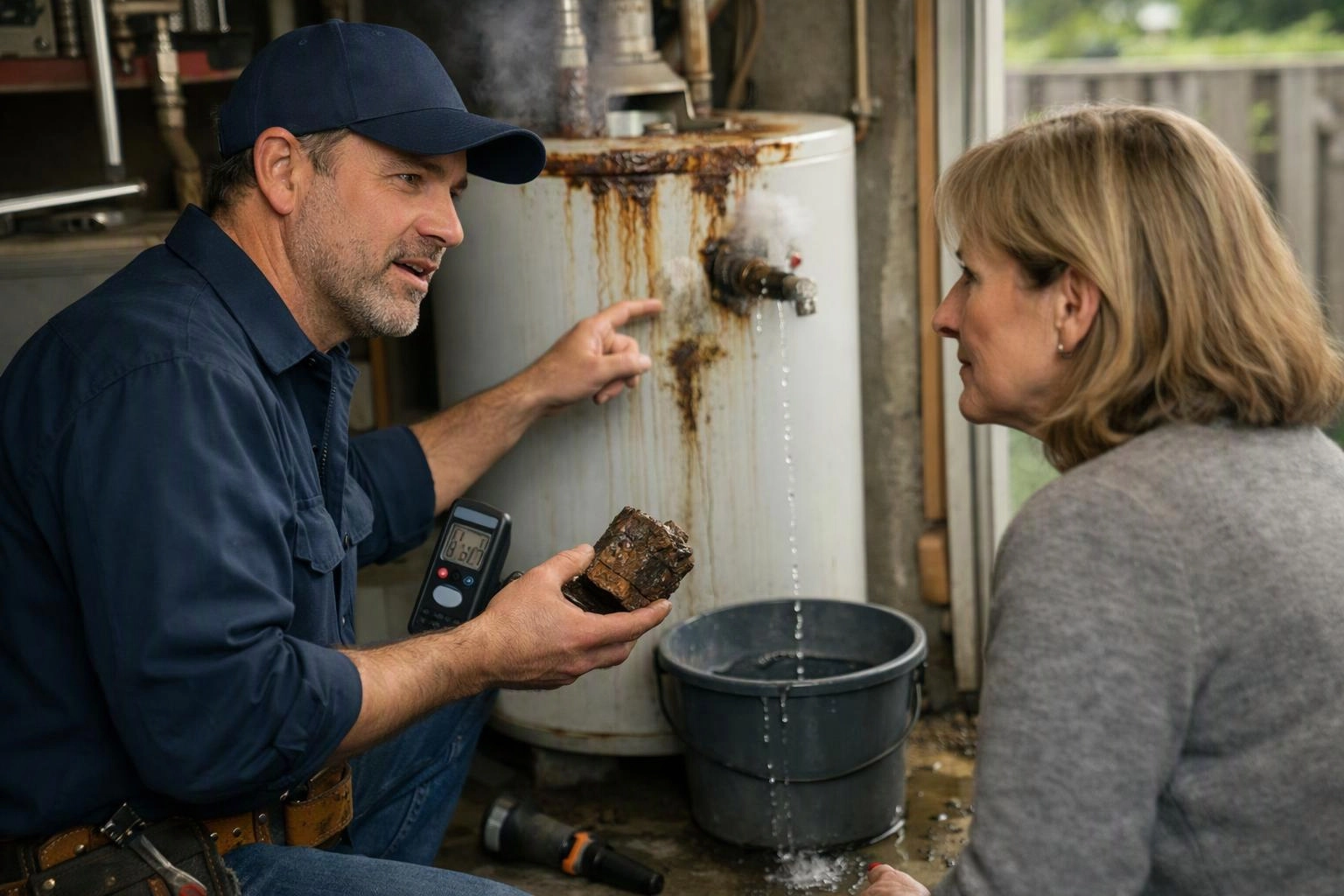
Which Water Heater Warning Signs Need Attention?
Water heater warning signs include leaks, unusual sounds, poor heating, rusty water, and odd smells.
A water heater issue can start small and become harder to fix. We recommend paying attention to changes in sound, water quality, and hot water supply.
Why Is the Water Heater Making Rumbling or Popping Noises?
Rumbling or popping noises often point to sediment collecting inside the tank and making heating less efficient.
Sediment buildup can settle around the burner or heating element. Water trapped beneath that layer can heat unevenly and create popping sounds.
Our water heater inspection checks the tank, heating parts, controls, and signs of reduced performance. We explain whether cleaning, water heater repair, or replacement makes sense for the system.
What Does Water Around the Water Heater Mean?
Water around a water heater can come from a loose connection, a valve, or a leaking tank, so the source needs inspection.
A water heater leak may begin at the water connections, drain valve, or temperature and pressure relief valve. Water may also collect beneath the unit and hide the original source.
A leaking tank usually points to internal damage that cannot be repaired safely. We trace the leak before discussing water damage prevention or replacement options.
Why Is There Not Enough Hot Water or No Hot Water?
Not enough hot water or no hot water can result from a failed heating part, a control problem, or a system that no longer meets household demand.
Electric units may have a failed heating element or thermostat. Gas units may have a burner, pilot light, or control problem.
Water heater capacity also matters when household demand changes. We test the hot water supply and recommend water heater repair when the system can be restored safely.
Can Rusty or Odd-Smelling Water Be a Warning Sign?
Rusty or odd-smelling hot water can signal corrosion, an anode rod problem, or a water-quality issue that needs evaluation.
Rusty water from the hot taps can come from corrosion inside the water heater tank. A worn anode rod may leave the tank less protected.
A rotten egg smell may relate to bacteria and water chemistry. We check the tank and water heater components before recommending a repair or replacement.
When Should You Stop Using the Water Heater?
Stop using the water heater and seek urgent help when you notice an active leak, gas odor, burning smell, or electrical danger.
Move away from the area if you smell gas, and avoid operating switches near the appliance. Contact the appropriate emergency service when immediate danger exists.
What Can You Check Yourself, and What Do We Handle?
You can observe visible symptoms and shut off water when safe, while we diagnose internal, gas, electrical, and plumbing faults.
Homeowner inspection should stay limited to safe observation. Do not open gas controls, remove electrical covers, or take apart safety devices.
| Factor | What you can do yourself | What we do |
|---|---|---|
| Visible symptoms | Look for water, rust, unusual sounds, and changes in hot water. | We trace symptoms to the actual source. |
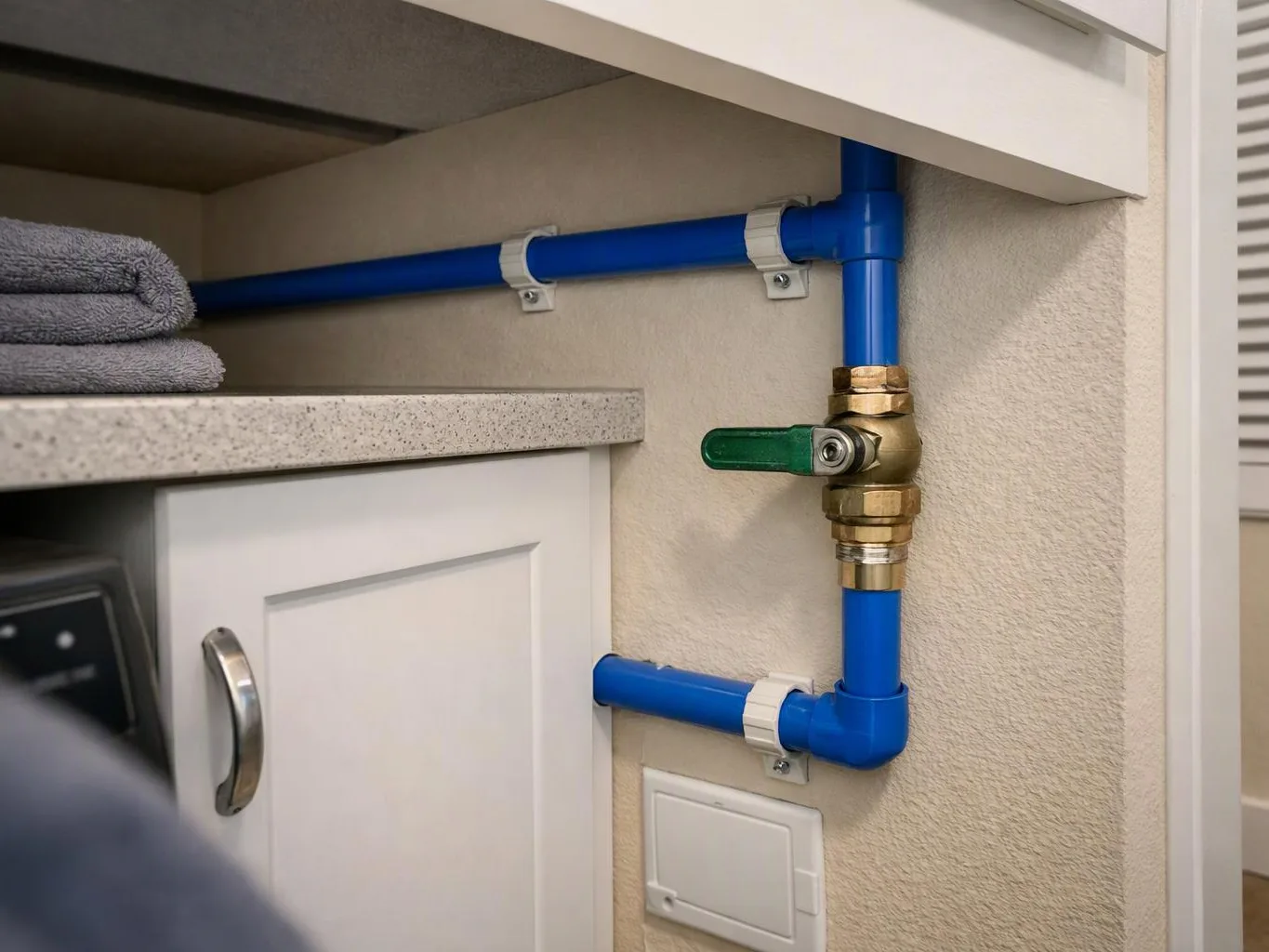
| Water shutoff valve | Close the valve when a leak is active and access is safe. | We check the valve, connections, and surrounding plumbing. |
| Water heater diagnosis | Record when the symptom started and what changed. | We test heating, gas, electrical, and safety components. |
| Repair or installation | Keep the area clear and avoid unsafe repairs. | We handle water heater repair and water heater installation. |
How We Decide Between Water Heater Repair and Installation
We recommend repair when the system can be restored safely, and we discuss installation when damage or performance makes replacement more suitable.
Our decision considers tank condition, corrosion, failed parts, and the system’s safety controls. We also review household hot water demand and replacement suitability.
Repair may fit a limited component fault when the tank remains sound. Water heater installation may fit a leaking tank, extensive corrosion, or equipment that no longer meets household needs.
What Happens During a Water Heater Assessment?
A water heater assessment identifies the symptom source and shows which repair or installation option fits safely.
Our team explains the findings in clear terms. You can then request a quote through our water heater repair service page.
What Information Should You Have Ready Before Calling?
The most useful details are the water heater type, fuel source, symptom timing, leak location, hot water demand, and maintenance history.
Tell us whether the unit is a tank water heater or tankless water heater. Note whether it uses gas or electricity, and describe when the problem appears.
Photos of visible water, rust, or connections can help explain the issue. Share any recent repairs and changes in household hot water use.