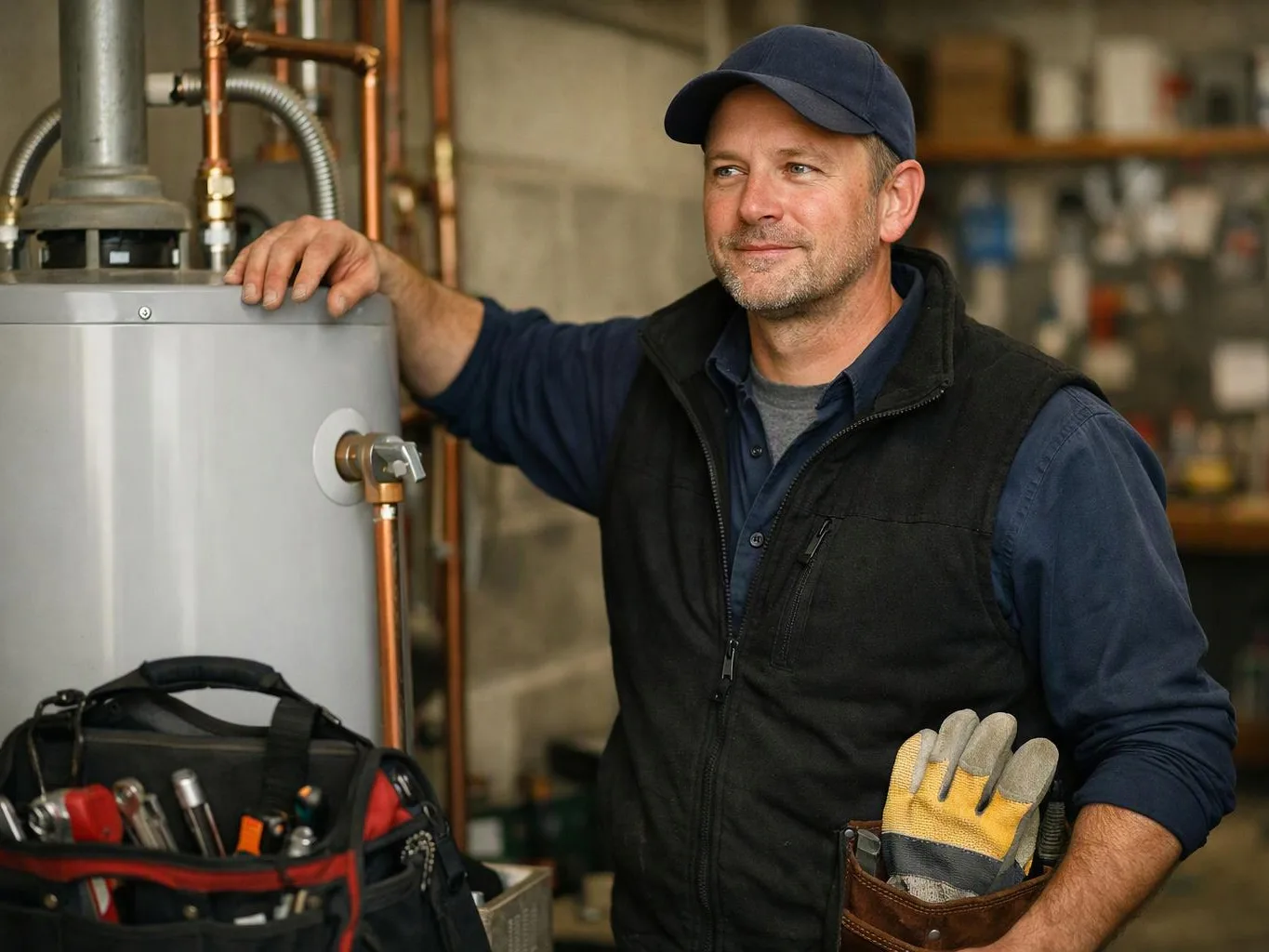
Plumbing Emergencies: Warning Signs and Safe First Steps
Plumbing emergencies require you to stop the immediate water or gas danger, protect people, and call for help when damage can spread. PlumbingKentwa.com can assess burst pipes, leaks, sewer backups, water heater leaks, and gas line concerns.
Request an EstimateHow Do You Know a Plumbing Problem Is an Emergency?
A plumbing emergency is a problem where water, sewage, gas, or structural damage creates immediate risk or can spread quickly.
A burst pipe can soak walls, floors, and belongings before the leak source is clear. An active leak near wiring creates an electrical hazard. Sewage backup brings contaminated water into living areas, while a gas line concern can threaten indoor air quality and safety.
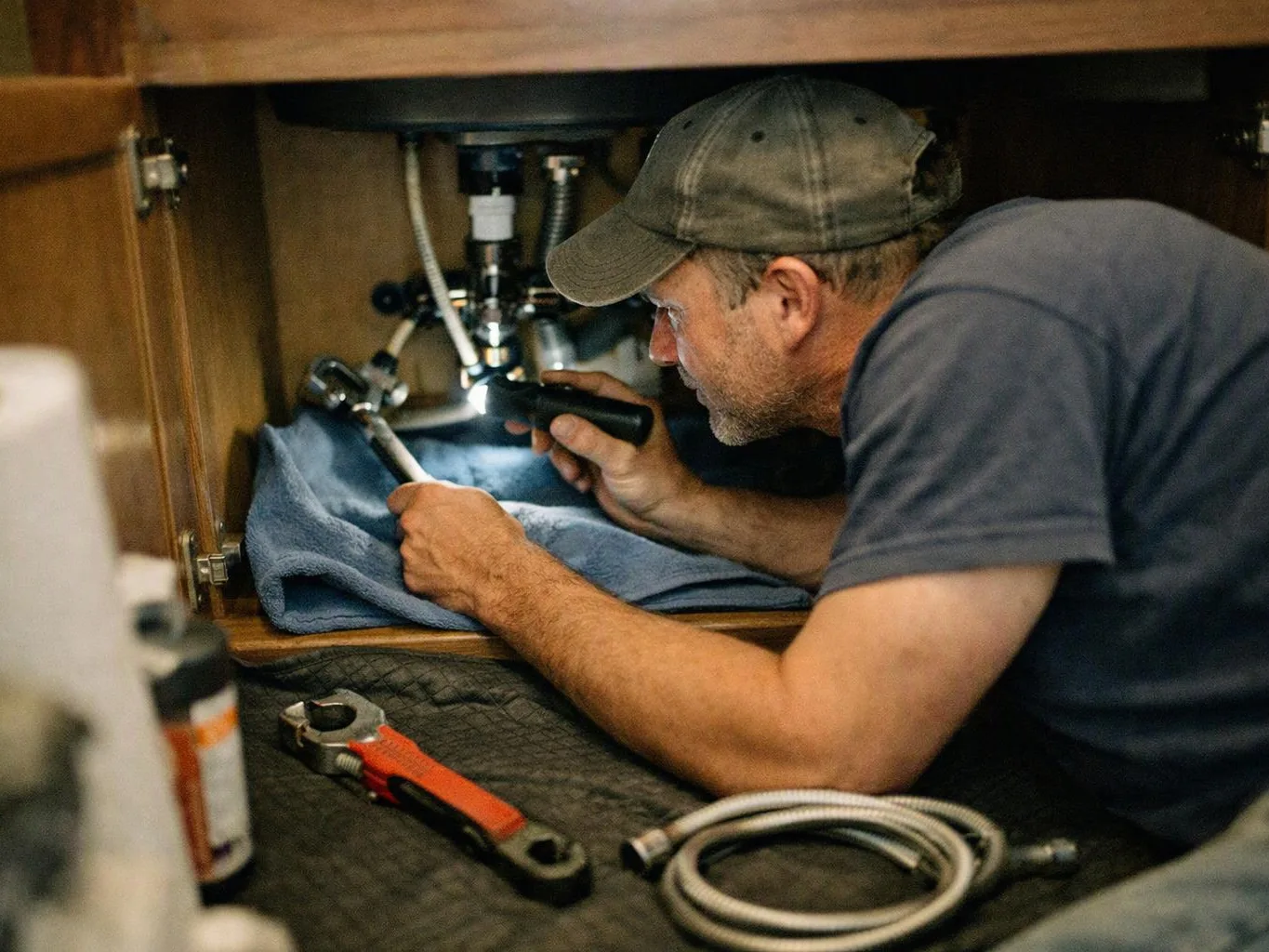
Major drain backups, failed supply lines, and sudden water loss also need prompt attention. Our team can inspect the cause and explain the safest repair path through our Emergency Plumbing service.
What Should You Do First During a Plumbing Emergency?
The first steps are to protect people, stop the nearest safe shutoff, avoid electrical hazards, and contact our team for guidance.
Move away from unsafe areas before trying to control the problem. Never enter standing water near outlets, appliances, or electrical panels.
Safe First Steps for a Burst Pipe or Major Leak
A burst pipe or major leak needs a safe water shutoff before cleanup begins.
Safe First Steps During a Sewage Backup
A sewage backup requires people and pets to stay away from contaminated water and affected drains.
What Should You Do If You Smell Gas?
A suspected gas leak requires immediate evacuation and emergency assistance without operating switches, flames, or indoor shutoffs.
Leave the building without starting vehicles or using an ignition source. Do not turn lights on or off, use phones indoors, or operate the gas shutoff if doing so keeps you inside.
Call emergency services from a safe location, then contact our team after the immediate gas danger is addressed. Our crew can inspect the gas line and complete gas line repair when the area is safe to enter.
When Should You Call an Emergency Plumber?
You should call an emergency plumber when you can't safely stop the problem or when damage continues after shutoff.
Call for emergency plumbing when a water shutoff fails, a hidden leak keeps spreading, or water damage affects walls and flooring. A sewer backup also needs prompt inspection because continued use can push more waste into the building.
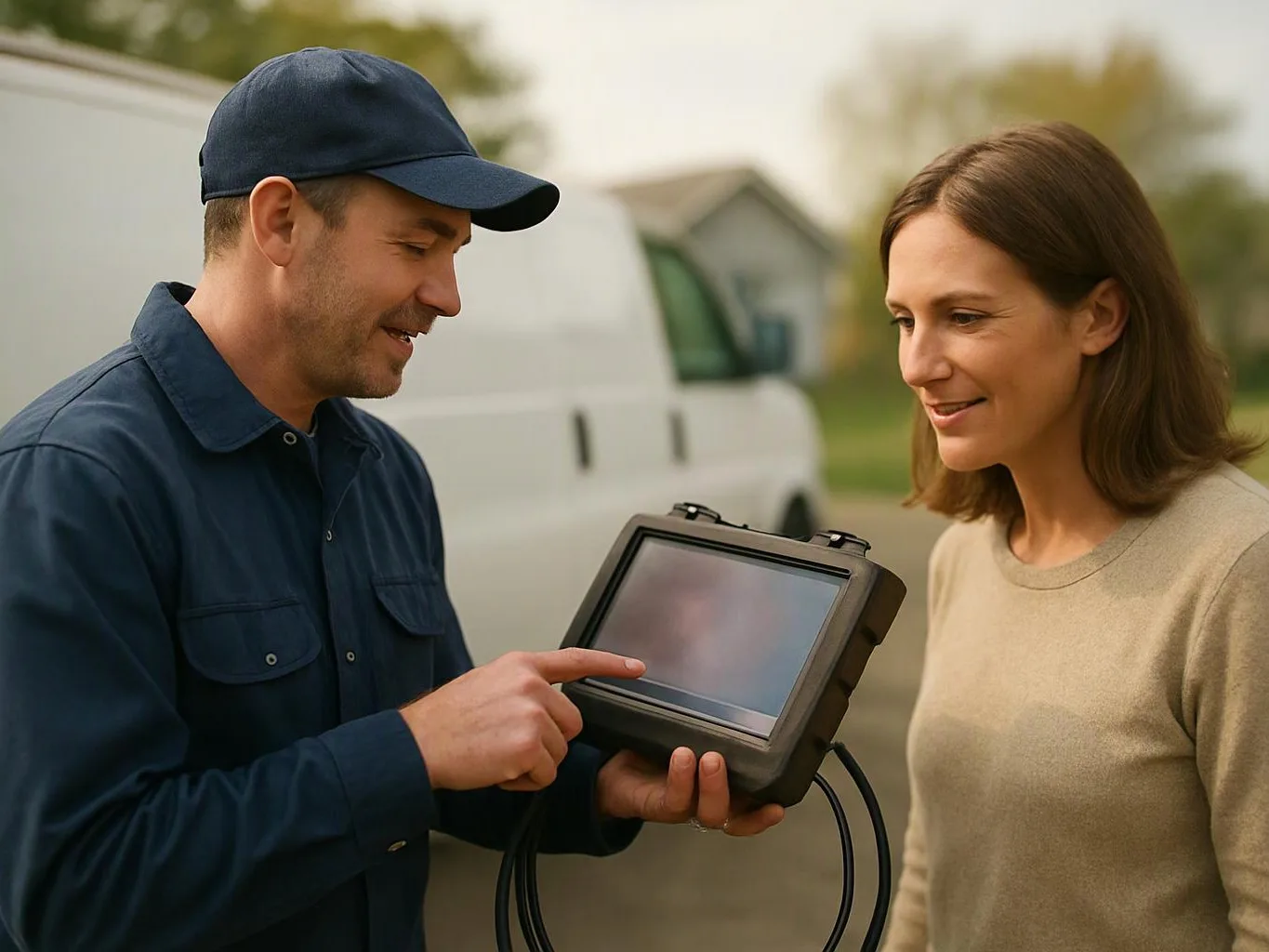
Our team can locate the source, protect affected areas, and recommend an emergency repair. We explain the work needed before preparing a repair estimate.
When Is a Water Heater Leak an Emergency?
A water heater leak is an emergency when water is spreading, the tank is failing, or hot water creates a burn or property risk.
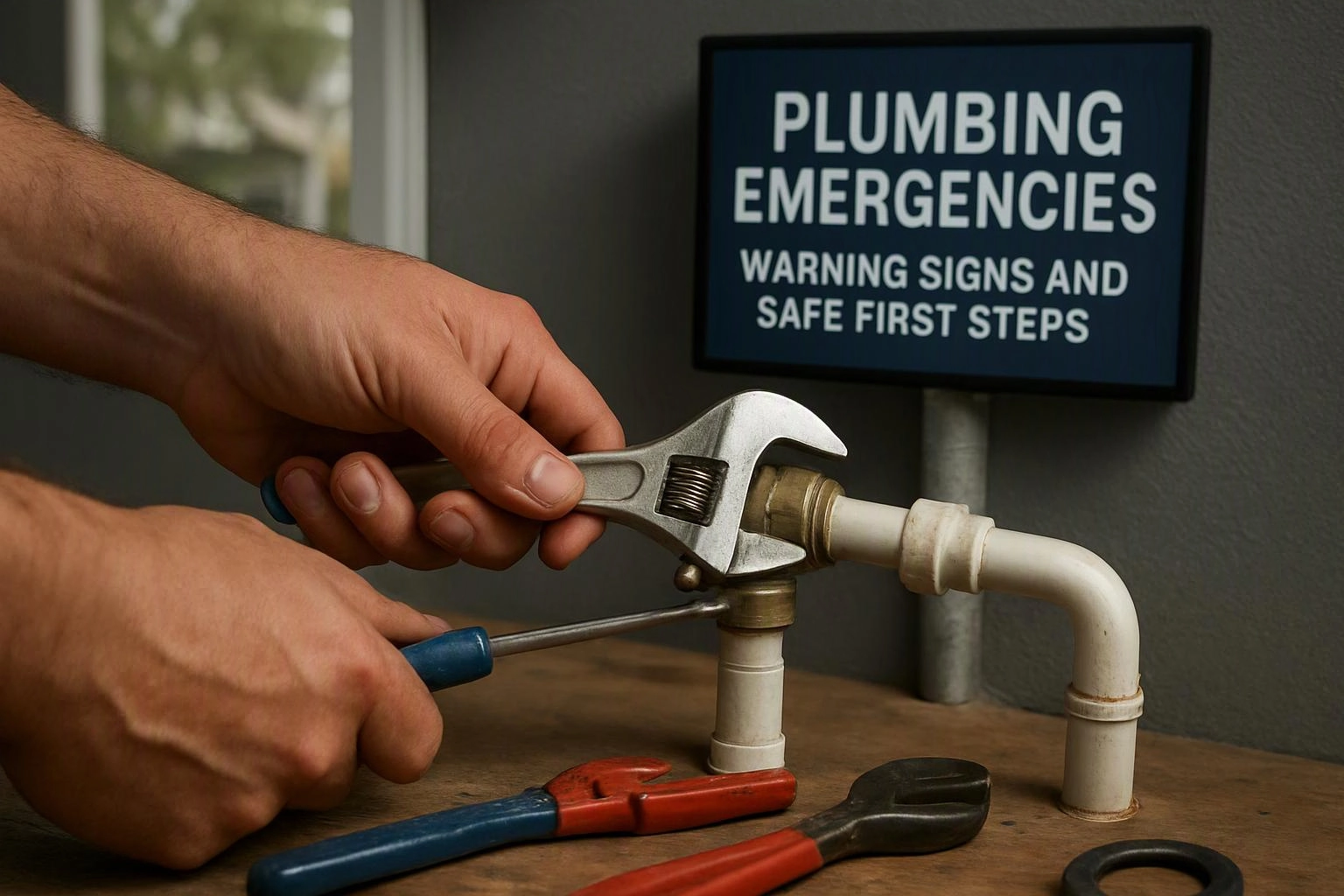
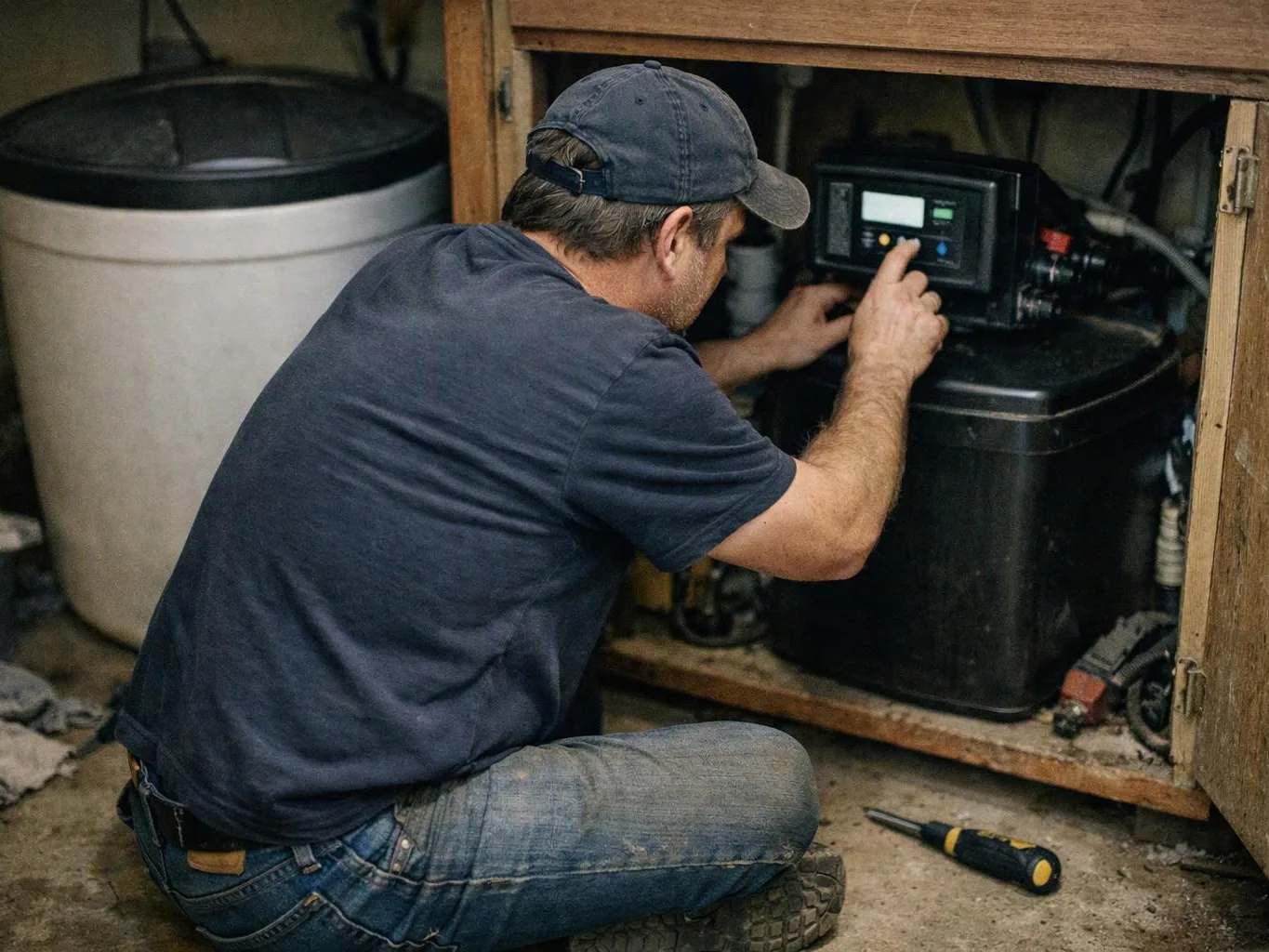
Shut off the water heater supply when you can reach it safely. If the unit is electric, avoid wet areas and electrical equipment. If the unit uses gas, avoid the gas controls when you smell gas.
Do not adjust or remove the pressure relief valve. A leaking tank, failed valve, or damaged connection needs inspection because pressure and hot water can increase the danger.
How We Inspect and Repair Plumbing Emergencies
Our team inspects the immediate hazard first, then traces the cause before recommending repair work.
Emergency plumbing work may require different repairs depending on the pipe material, access, damage, and source. Our team follows applicable safety and inspection requirements for the work performed.
What Information Should You Give Us When You Call?
Useful details help our emergency plumber team understand the risk before arriving at the problem.
Tell us if anyone is still inside an affected area. Mention electrical hazards, children, pets, and any unsafe access conditions.
How Can You Reduce Damage While Waiting for Help?
You can reduce water damage by stopping safe water flow, protecting people, and limiting contact with affected areas.
Move belongings away from a leaking fixture when the path is safe. Keep standing water away from electrical equipment, and avoid walking through unknown water.
Open safe interior doors to improve ventilation after the water source is controlled. Do not open walls, remove flooring, or use powered equipment in wet areas before our team checks the hazards.
Questions About Plumbing Emergencies
Can I use a sink during a sewage backup?
No, avoid using a sink during a sewage backup because added water can worsen the blockage. Keep people and pets away, and wait for our team to inspect the drain system.
Should I turn off the water heater during a plumbing emergency?
Yes, turn off the water heater only when the controls are safely reachable and no gas or electrical hazard exists. Avoid wet areas and contact our team when the unit leaks, overheats, or creates a flooding risk.
What should I do if I can't find the main water shutoff?
If you can't find the main water shutoff, use the fixture shutoff when it is safe and contact our team for guidance. Keep away from electrical hazards and limit movement through standing water.
Can a small leak become a plumbing emergency?
Yes, a small leak can become a plumbing emergency when it continues behind walls, under floors, or near electrical equipment. Contact our team when the leak source is hidden, the damage grows, or a shutoff does not stop it.