Signs Your Sump Pump May Be Failing
Signs of sump pump failure include unusual noises, nonstop running, repeated cycling, weak discharge, basement dampness, and burning smells. PlumbingKentwa.com checks the pump, discharge system, power supply, and backup components to identify the problem.
Request an EstimateHow Can You Tell if a Sump Pump Is Failing?
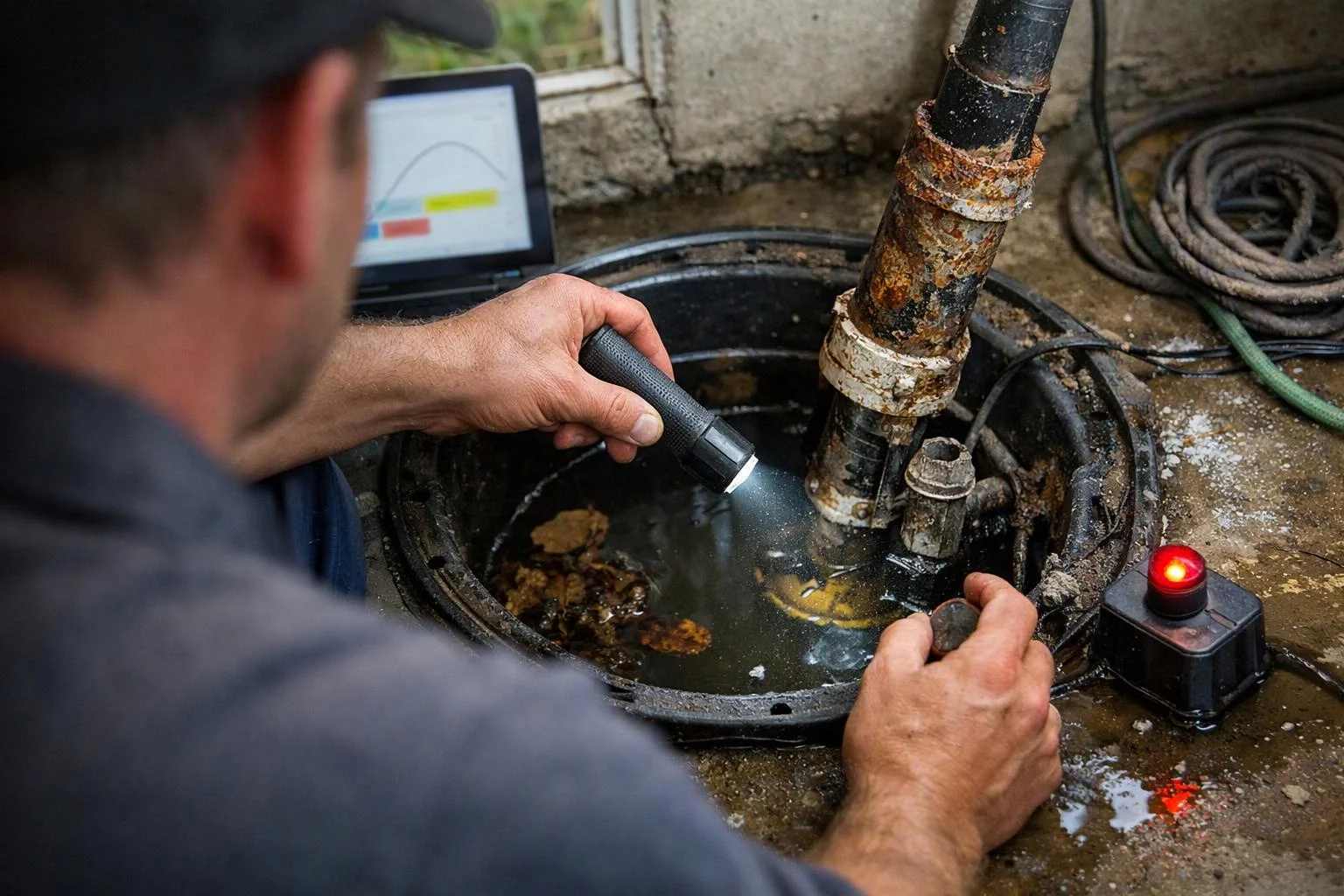
A sump pump may be failing when it runs abnormally, makes unusual sounds, moves little water, or leaves the basement damp.
A sump pump is a water removal system that moves groundwater from a sump basin through a discharge pipe. Warning signs often appear when the pump motor, float switch, impeller, or drainage path develops a problem.
Early checks can help limit water accumulation and protect basement drainage. Our team can inspect the system when the pump is not working or the basement remains wet.
Learn more about our Sump Pump Repair service when these signs continue.
Warning Signs of Sump Pump Failure
Each warning sign can point to a different part of the sump system. Note when the problem occurs, then avoid opening electrical parts or reaching into moving equipment.
Our inspection connects the symptom to the component causing it. We check the sump basin, float switch, pump motor, impeller, discharge pipe, and check valve.
Why Does a Sump Pump Run Continuously or Keep Cycling?
A sump pump can run continuously or cycle repeatedly when water keeps entering the pit, the float switch sticks, or the discharge system cannot move water away.
Continuous operation can occur during heavy groundwater flow or when the pump cannot discharge water properly. A clogged discharge pipe can send water back toward the sump pit.
Short cycling happens when the float switch starts and stops the pump too often. A poor pump position, restricted basin, or check valve failure can contribute to this pattern.
Our team checks the float switch, sump pit, discharge pipe, and check valve before deciding whether repair is practical. Repeated cycling can strain the pump motor, so don't ignore the pattern.
What Do Unusual Noises or a Burning Smell Mean?
Unusual sump pump noises or a burning smell can signal motor strain, a blocked impeller, or an electrical problem that needs prompt attention.
A grinding noise may come from an impeller blockage or worn internal parts. Rattling can point to loose components, while a humming sound may mean the motor is struggling to start.
A burning odor can indicate overheating or an electrical fault. Stop using the pump if the smell continues, and don't remove electrical covers yourself.
We inspect the pump motor, impeller, power cord, and electrical connection safely. Our team can then explain whether the problem calls for repair or replacement.
Can Basement Dampness or Floor Water Point to Pump Trouble?
Yes, basement dampness or water on the floor can indicate that the sump pump isn't starting, draining, or keeping up with incoming water.
Water may collect when the pump has no power, the float switch cannot move, or the discharge line is blocked. Foundation drainage can also send more groundwater toward the sump basin.
A damp basement doesn't always prove that the pump failed. Our team checks the basin, pump operation, discharge line, and surrounding drainage before identifying the source.
Prompt attention can reduce the flooding risk and help protect stored items, flooring, and basement finishes.
What You Can Check Safely Before Calling Us
You can make a few safe observations before contacting our team, but electrical and plumbing repairs require trained service.
Don't open the pump, bypass safety controls, or work on electrical connections. Call our team if water is rising, the pump smells hot, or the power issue continues.
DIY Checks and When to Call PlumbingKentwa.com
Homeowner inspection is suitable for safe visual checks, while sump pump repair and installation require trained plumbing and electrical judgment.
Our team identifies the point where a simple observation ends and professional work begins. The comparison below helps you choose a safe next step.
| Factor | What you can do yourself | What we do |
|---|---|---|
| Visual inspection | Observe the water level, power connection, and visible discharge outlet. | We inspect the full sump system and trace the source of the symptom. |
| Electrical safety | Avoid damaged wires, wet plugs, open covers, and electrical testing. | We assess the electrical connection and identify unsafe power conditions. |
| Pump repair | Record unusual sounds, cycling, odors, or weak discharge. | We diagnose the pump motor, float switch, impeller, and check valve. |
| Pump installation | Don't remove or replace a pump in a wet or energized area. | We install and test the pump, basin connections, discharge path, and backup protection. |
How We Diagnose and Resolve Sump Pump Problems
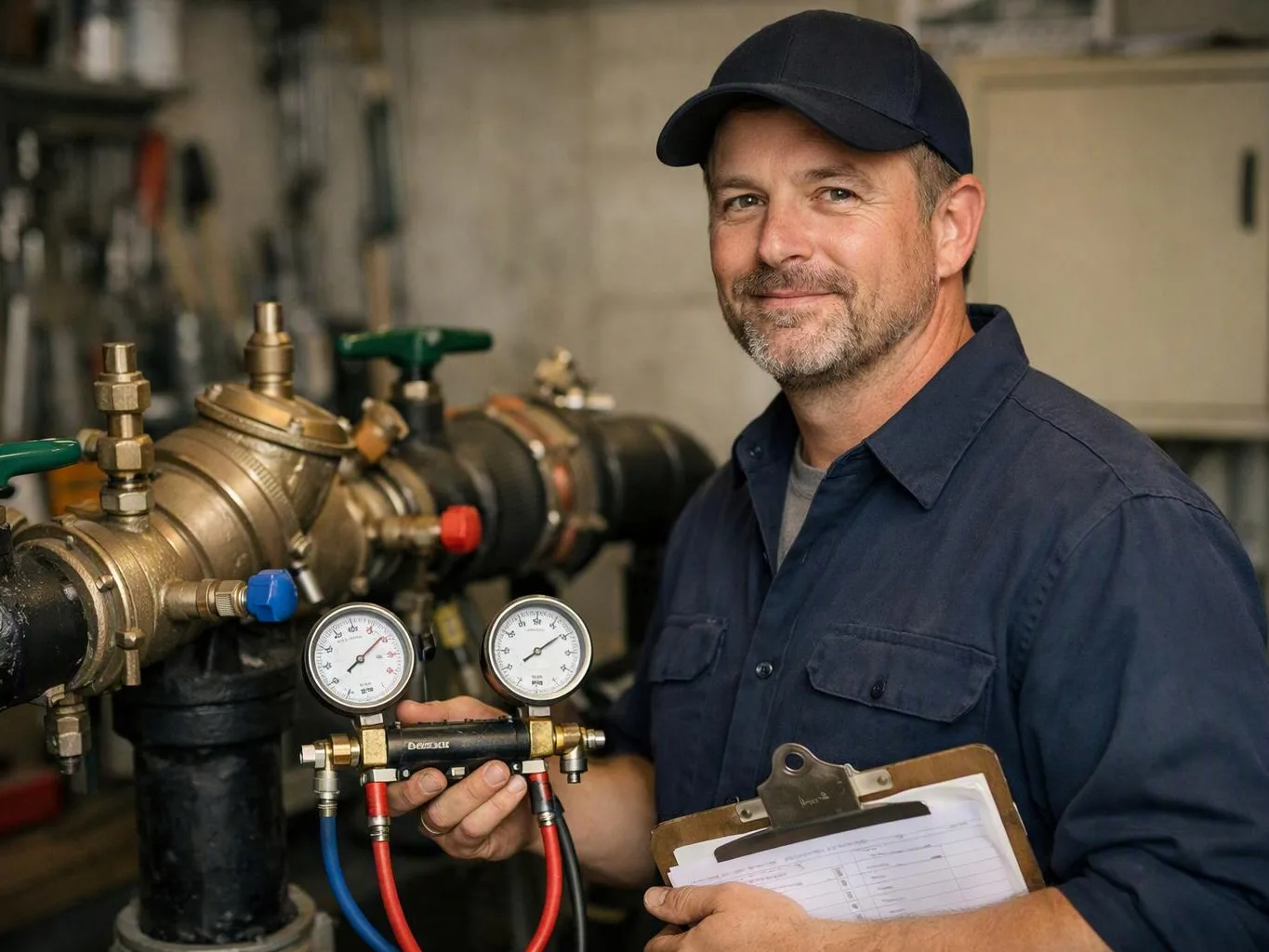
Our sump pump inspection follows the water path from the basin through the discharge system.
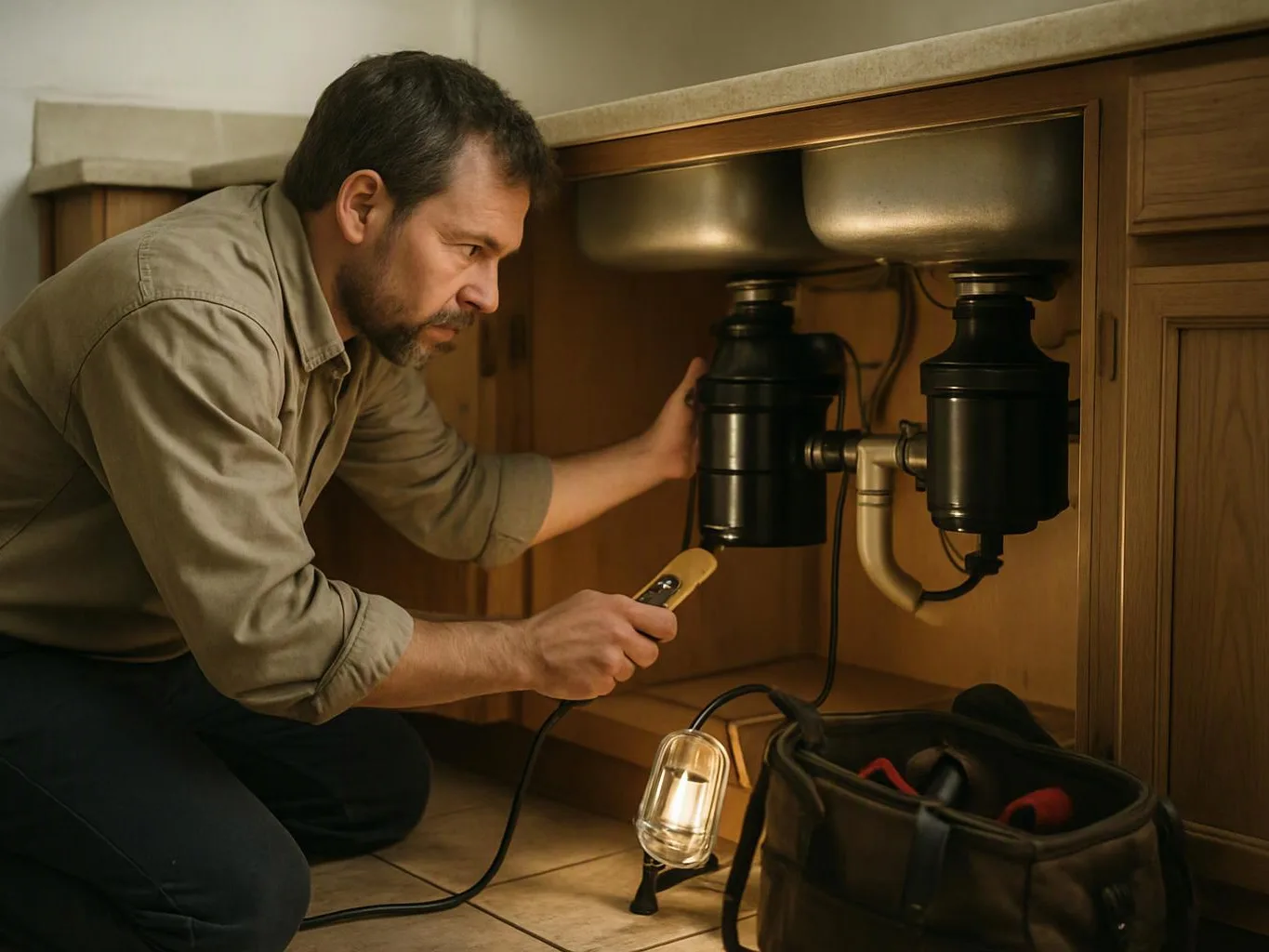
We check the pump motor, float switch, impeller, check valve, and discharge pipe. We also look for obstructions, poor connections, and conditions that can cause continuous running or short cycling.
We test the sump basin and confirm that the pump responds correctly to changing water levels. We review backup sump pump protection when the main system needs added support.
When repair is suitable, we address the failed component and verify operation. When the pump has major motor damage or cannot protect the basement reliably, we explain the replacement and sump pump installation options.
When Does a Failing Sump Pump Need Repair or Replacement?
A failing sump pump needs repair when a serviceable component causes the problem and needs replacement when the pump motor or system condition cannot provide dependable protection.
Our team considers the pump's age, condition, operating pattern, and failure source. A float switch failure, check valve problem, or discharge blockage may be repairable.
Replacement may make more sense when the motor has failed, the pump has repeated problems, or the existing system cannot manage the basement's drainage needs. We also assess whether backup protection should be included.
Request an exact quote from our team after inspection. The quote depends on the failed component, access, discharge work, basin condition, and whether repair or installation is needed.
Questions About Sump Pump Failure Signs
Can a sump pump fail without making noise?
Yes, a sump pump can fail quietly when it loses power, has a stuck float switch, or develops a motor fault. Water in the basement or a rising sump basin may be the first visible sign.
What should I do if my sump pump stops during heavy rain?
Heavy rain can raise the flooding risk when a sump pump stops. Keep clear of wet electrical areas, observe the water level from a safe position, and contact our team for emergency water removal and system inspection.
How can I tell whether the sump pump or discharge pipe is causing the problem?
Weak discharge with a running pump can point to a clogged discharge pipe, while no pump response can point to power or motor trouble. Our team checks both parts so the repair addresses the actual cause.
Is a sump pump backup system useful when the main pump fails?
Yes, a backup sump pump system can provide added basement water protection when the main pump fails or loses power. Our team can assess the basin, discharge setup, and backup needs together.
Contact our team to discuss sump pump repair, replacement, or installation after you notice warning signs.
Request a sump pump inspection