How is an underground water line replaced?
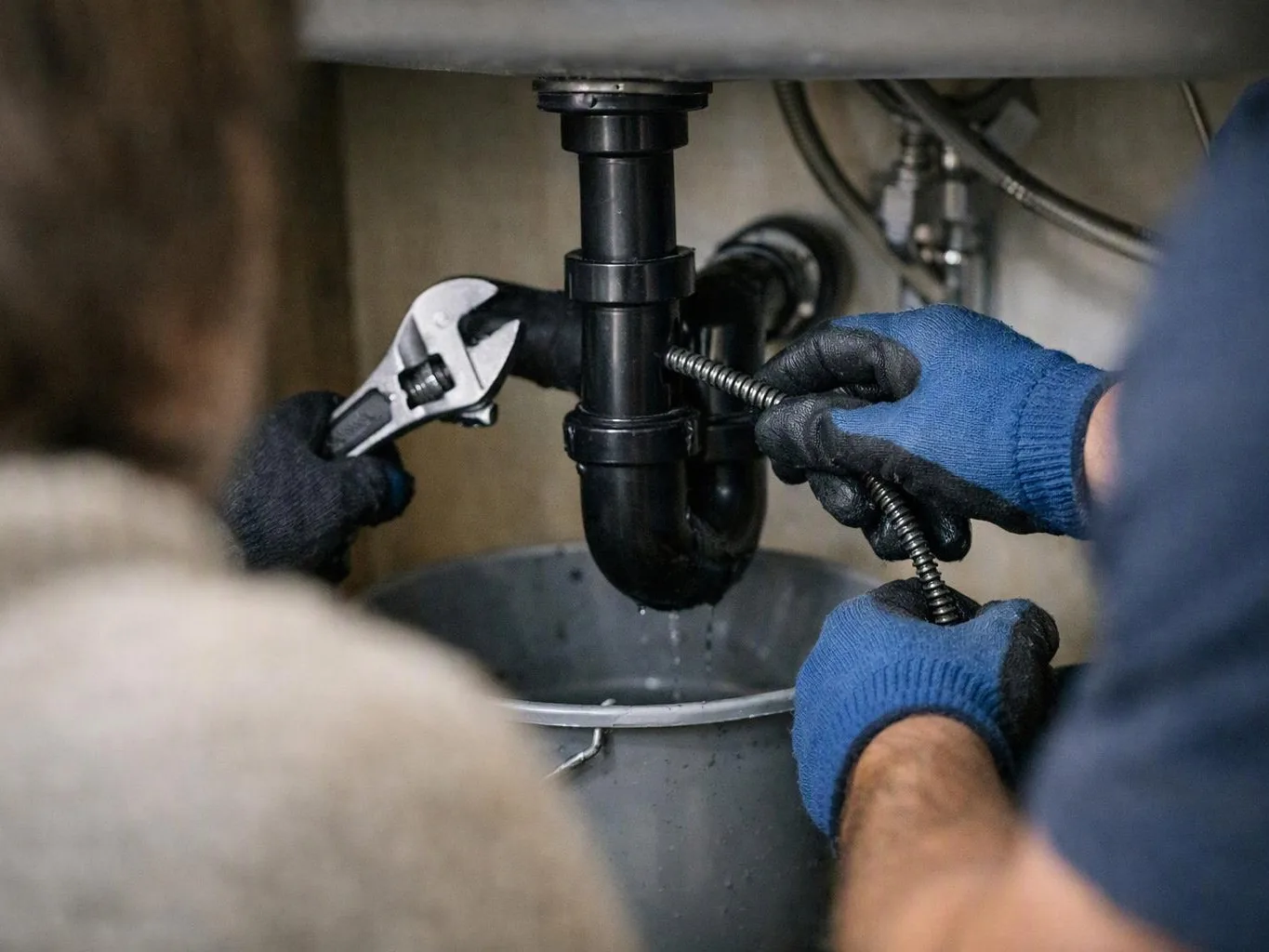
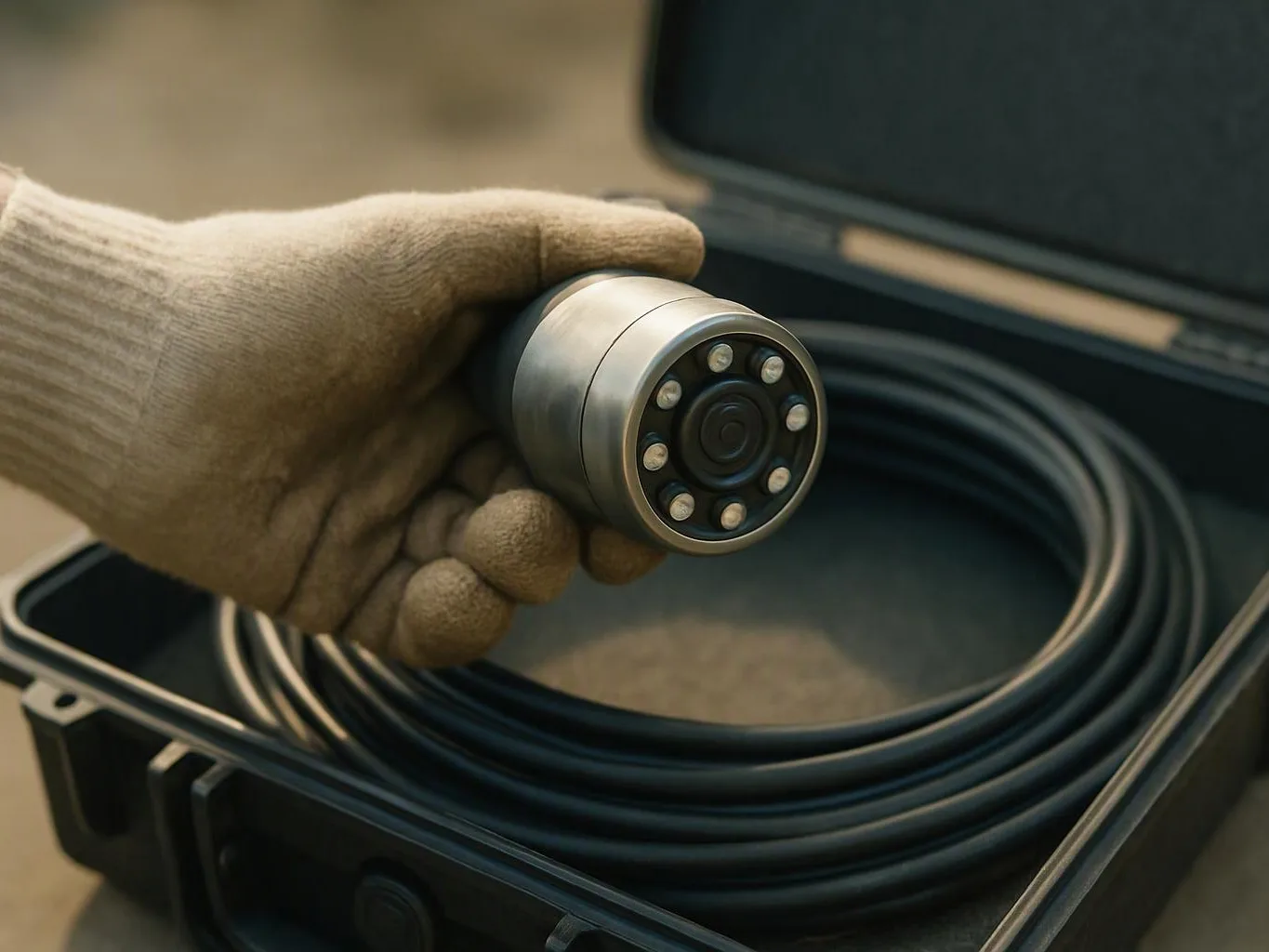
Pipe bedding is checked first when the underground line needs replacement. We inspect the suspected failure, set trenching or directional boring access, prepare the pipe base, install the new line, and handle backfill soil. Findings and the proposed scope are explained before work begins, so the owner knows what the replacement includes.
What should I check before agreeing to this replacement?
The approved scope should identify the damaged line, access method, connection points, and restoration work. Ask which sections need replacement and how the trench will be closed. We provide detailed findings and proposed solutions before work begins, which gives homeowners and contractors a clear basis for approval.
Which site conditions change the work plan?
Access, line depth, trench conditions, connection points, and soil around the pipe can change the work plan. Trenching exposes the route, while directional boring may fit some sites with limited open access. The assessment should connect each condition to the proposed method and the final scope.
When does a spot repair stop fitting the problem?
A spot repair stops fitting when damage extends beyond one section or repeated failures point to a wider line problem. The plumber checks the accessible pipe, connections, and support around the failure. Replacement addresses the broader scope when one isolated repair would leave other damaged sections in service.
Why does pipe support matter during replacement?
Pipe support matters because an unsupported line can shift, strain its connections, or fail again. The trench base and surrounding material need review before the new line is set. We explain the support and backfill plan as part of the proposed replacement scope.
How do I prepare the property for underground line work?
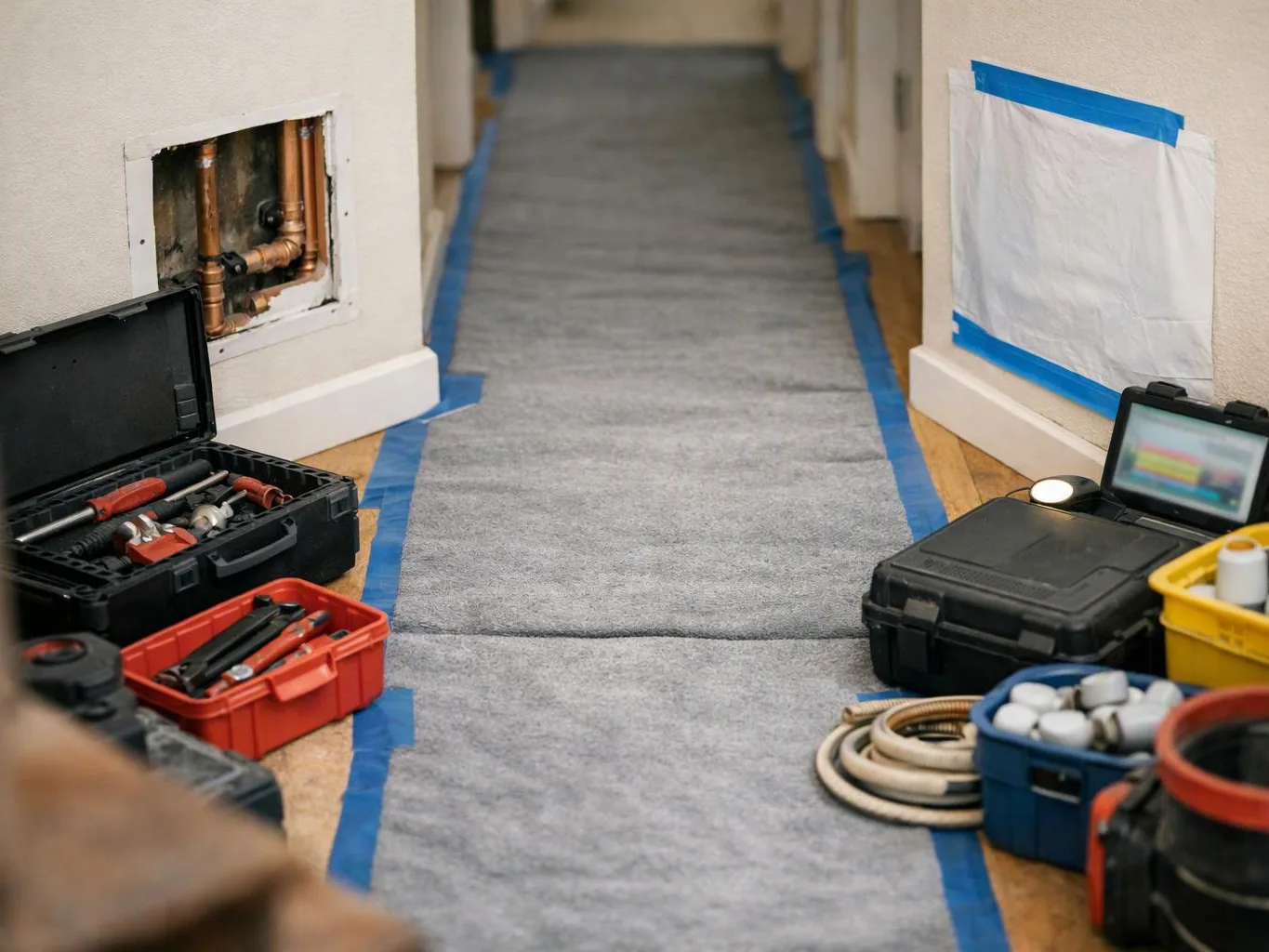
Property preparation starts with identifying the water shutoff, clearing access to the suspected line, and noting affected fixtures. Keep contractors or remodel contacts informed when the work connects to a larger project. The evaluation then confirms the route, access needs, and work area before replacement begins.
What does the estimate need to cover?
The estimate should cover the suspected line, access method, replacement scope, connections, pipe support, and backfill work. It should also explain any dispatch fee and the same-day waiver when applicable. We review the findings and proposed solution before work begins, so the customer can approve a defined scope.