Who installs water heaters for homes and remodels for Water Heater Installation?
PlumbingKentwa.com installs water heaters for residential customers, contractors, custom homes, and remodels. Our team reviews the equipment location, access, water lines, shutoff valve, and related gas or electrical connections. We explain the proposed scope before work begins. That approach helps the customer understand whether the job calls for a direct replacement or related plumbing changes.
What part of the property can change the installation scope?
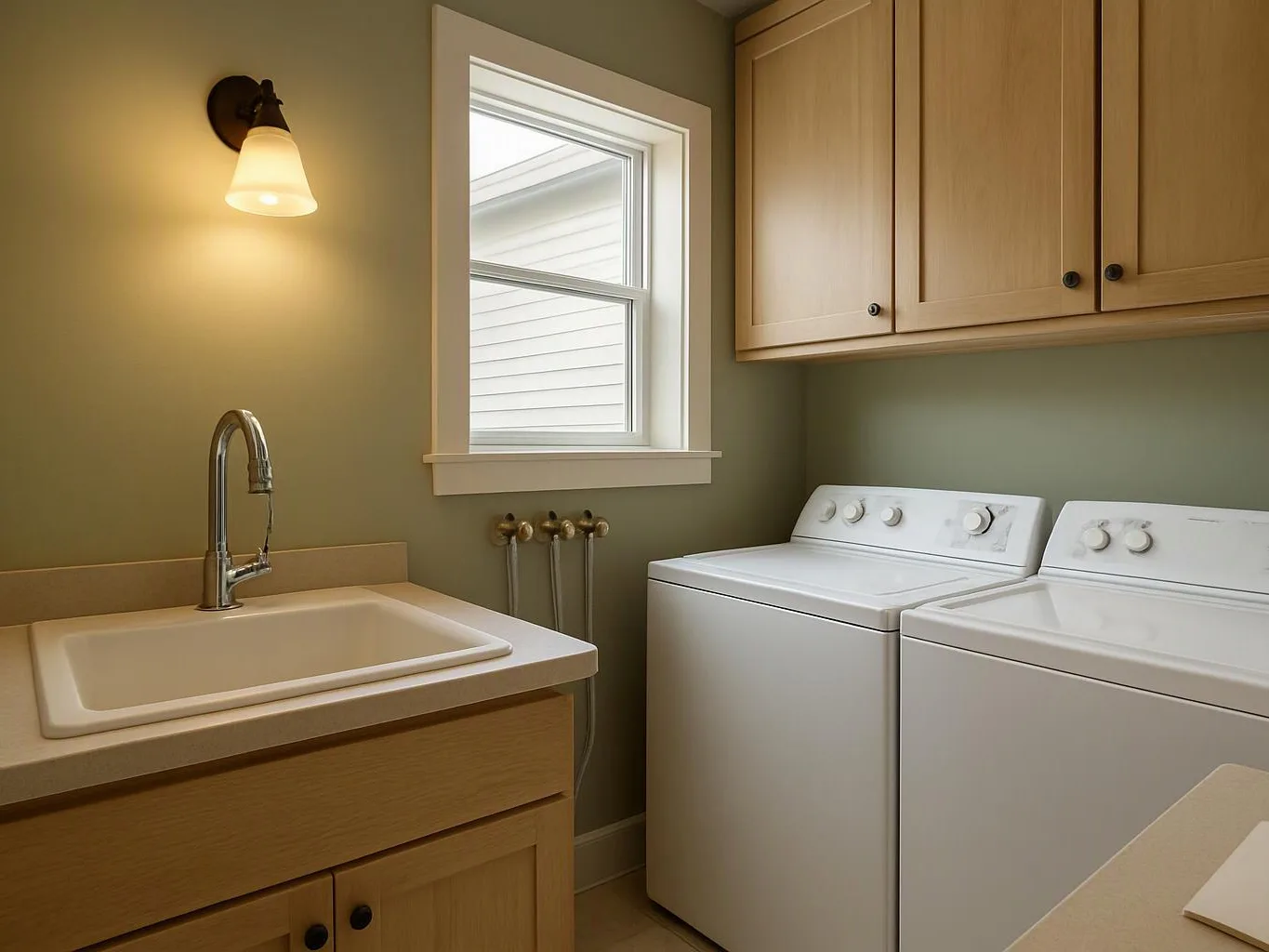
The equipment location and access path can change the installation scope. A tight utility area, changed remodel layout, or difficult removal path may affect the work around the tank. We check the space, supply lines, drain connection, venting, and service clearances before setting the plan. The estimate reflects those site conditions and related plumbing needs.
Which materials might connect a replacement water heater?
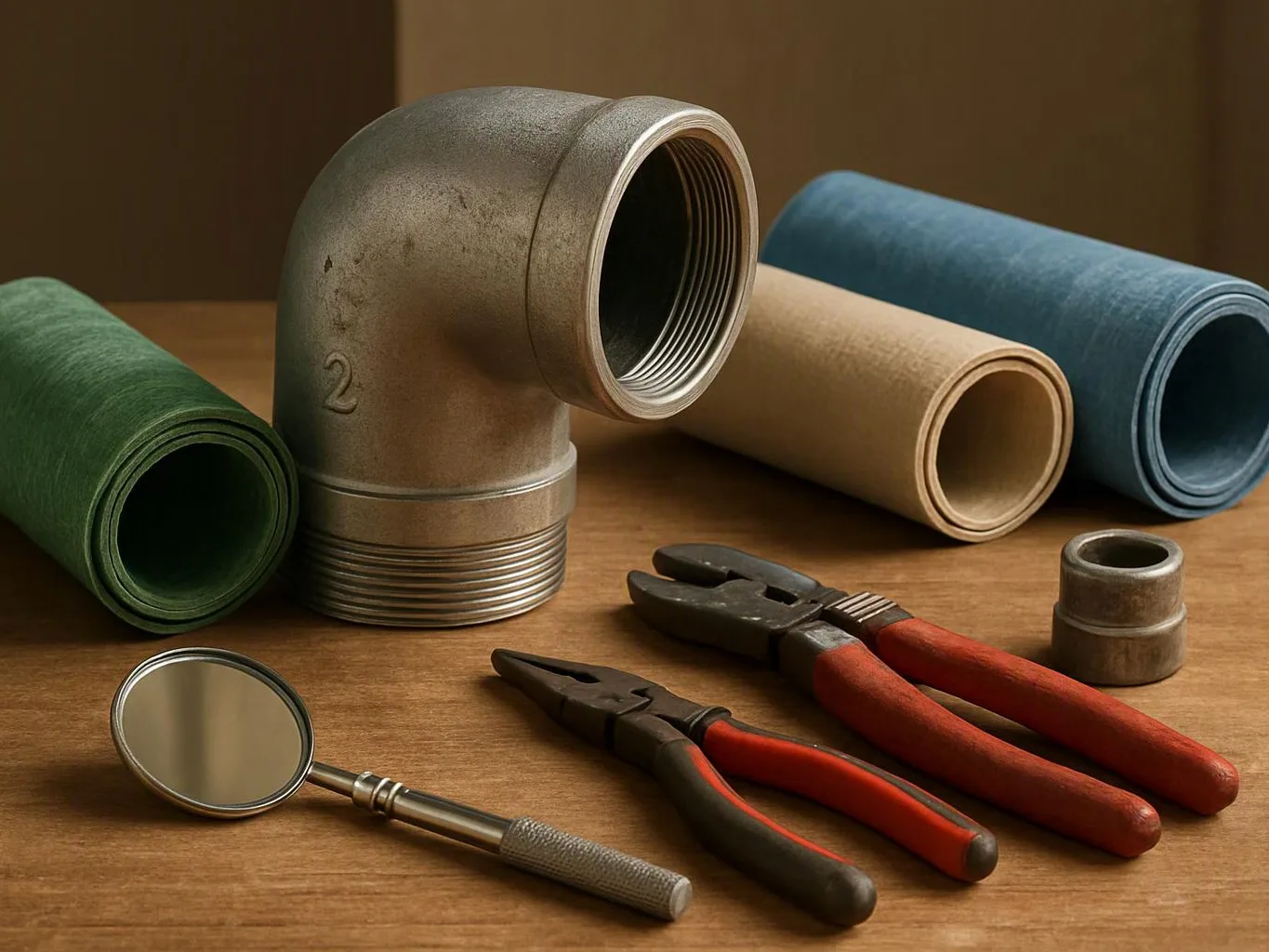
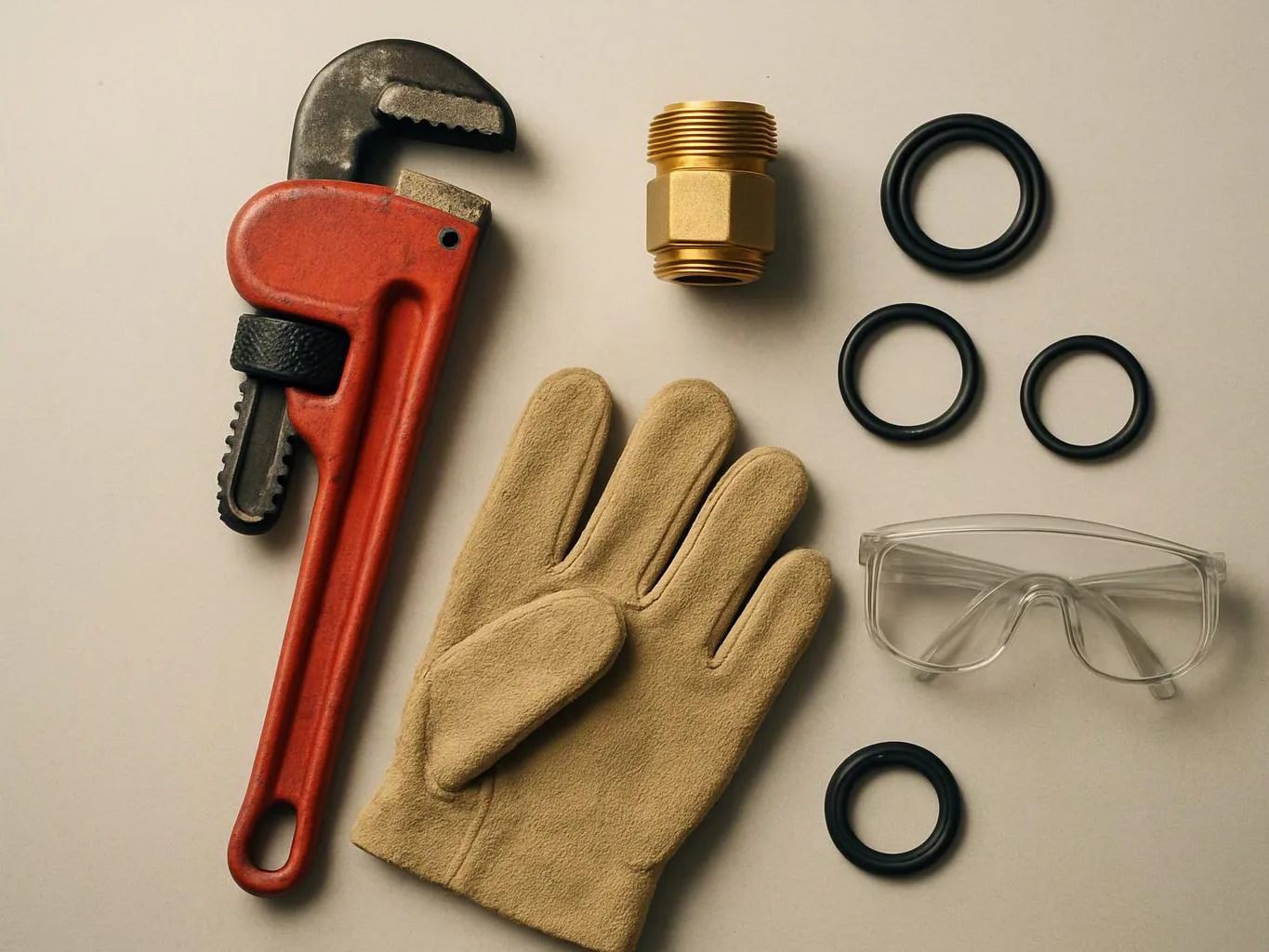
PEX piping, copper Type L, and PVC Schedule 40 may serve different parts of a plumbing layout. The existing pipe, connection type, equipment location, and project scope guide the material choice. We inspect the current lines before recommending a change. Material selection should support safe connections and future service access, not simply match a product name.
When should a leaking water heater be replaced?
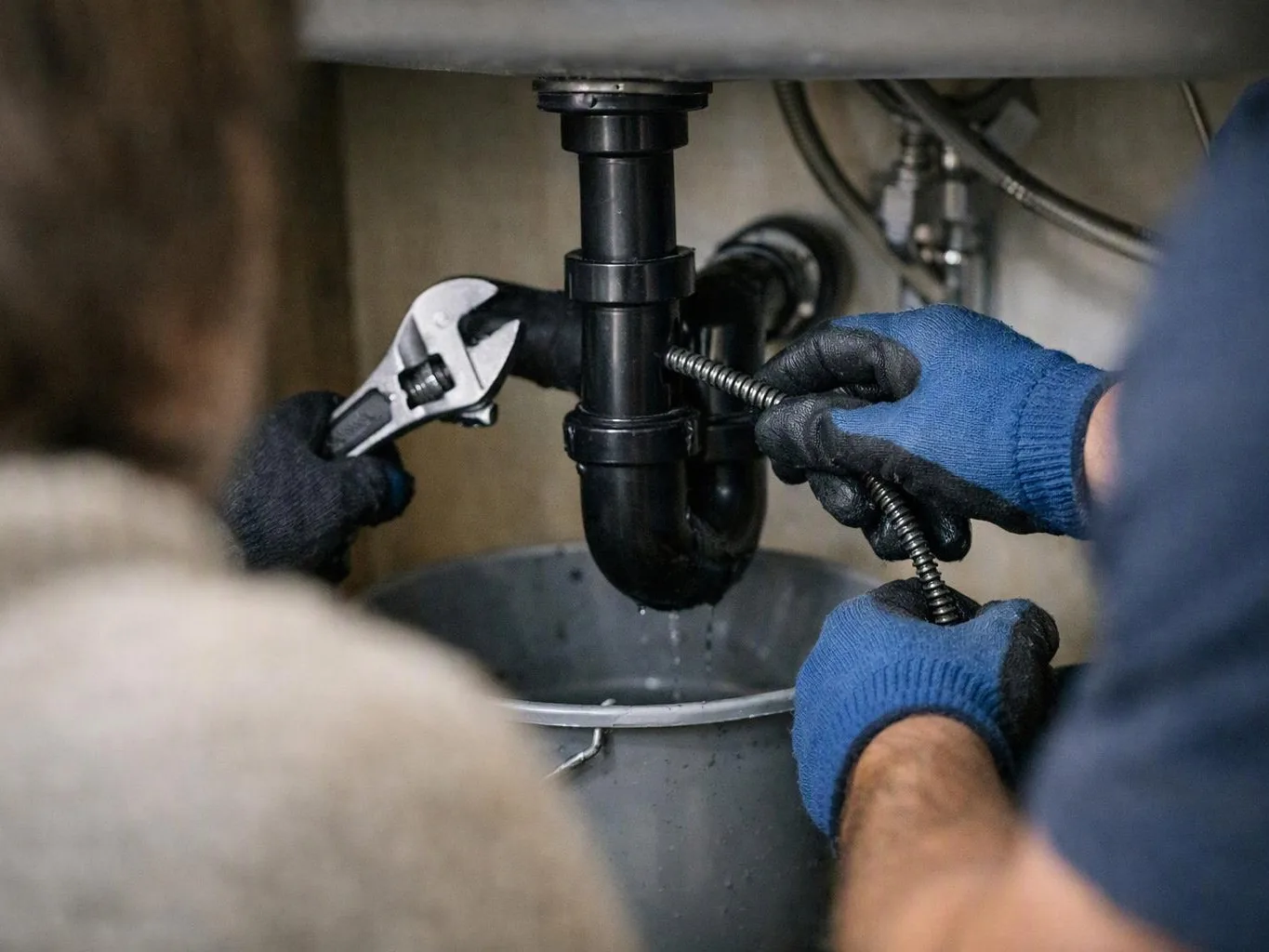
A leaking tank often calls for replacement, while a leaking valve or connection may call for repair. The leak source must be identified before choosing the service. We check the tank, drain valve, relief valve, supply lines, and nearby fittings. Shut off the water supply if the leak is active, and keep the area clear for inspection.
Why does a new water heater still need connection checks?
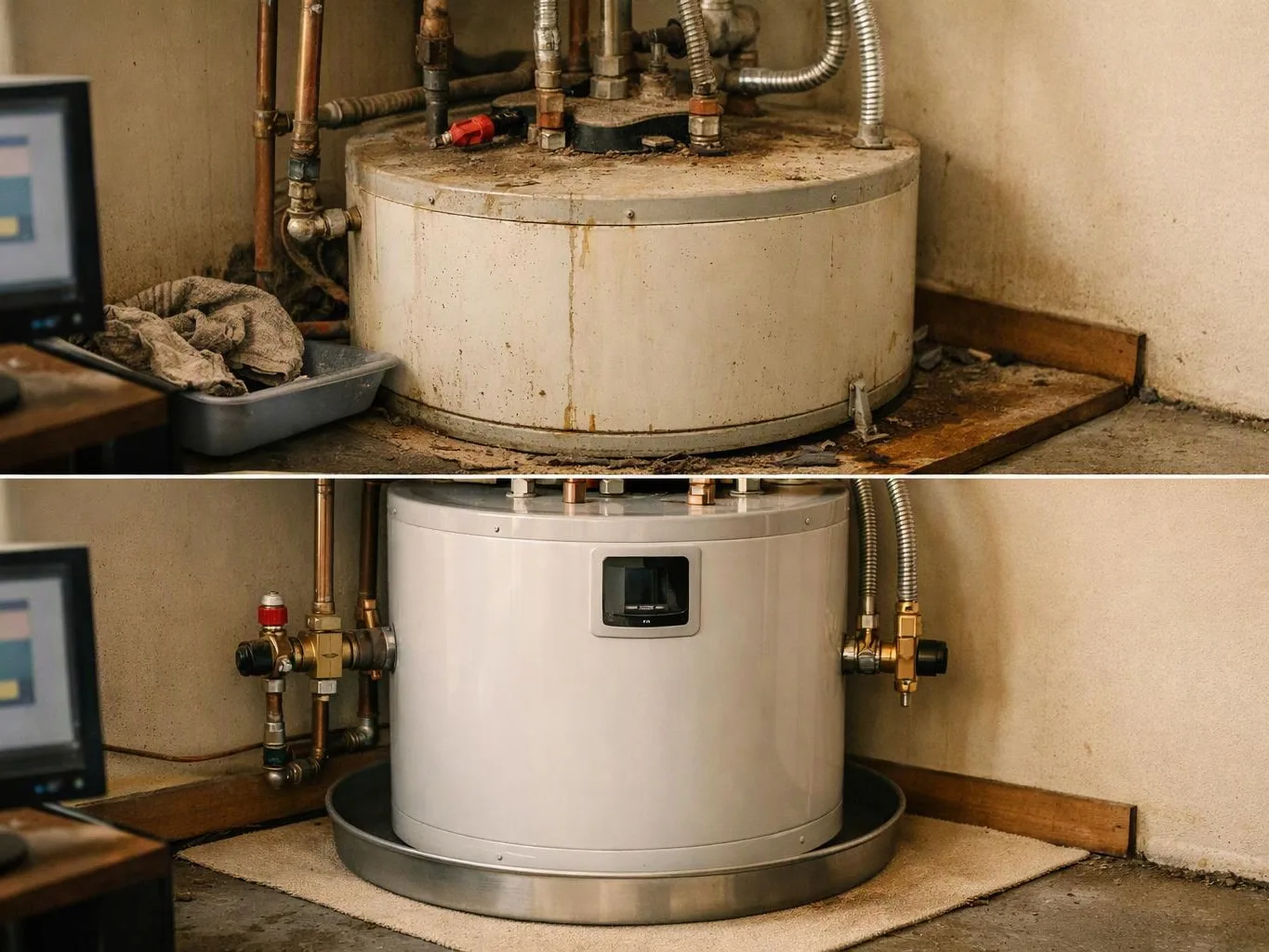
A new water heater still relies on the surrounding water, drain, gas, electrical, and vent connections. A sound tank cannot correct a damaged shutoff valve or leaking supply line. We inspect those parts as part of the installation scope. Gas equipment also needs attention to the gas connection and safe operation before the system is used.
How does the appointment move from the first request to installation?
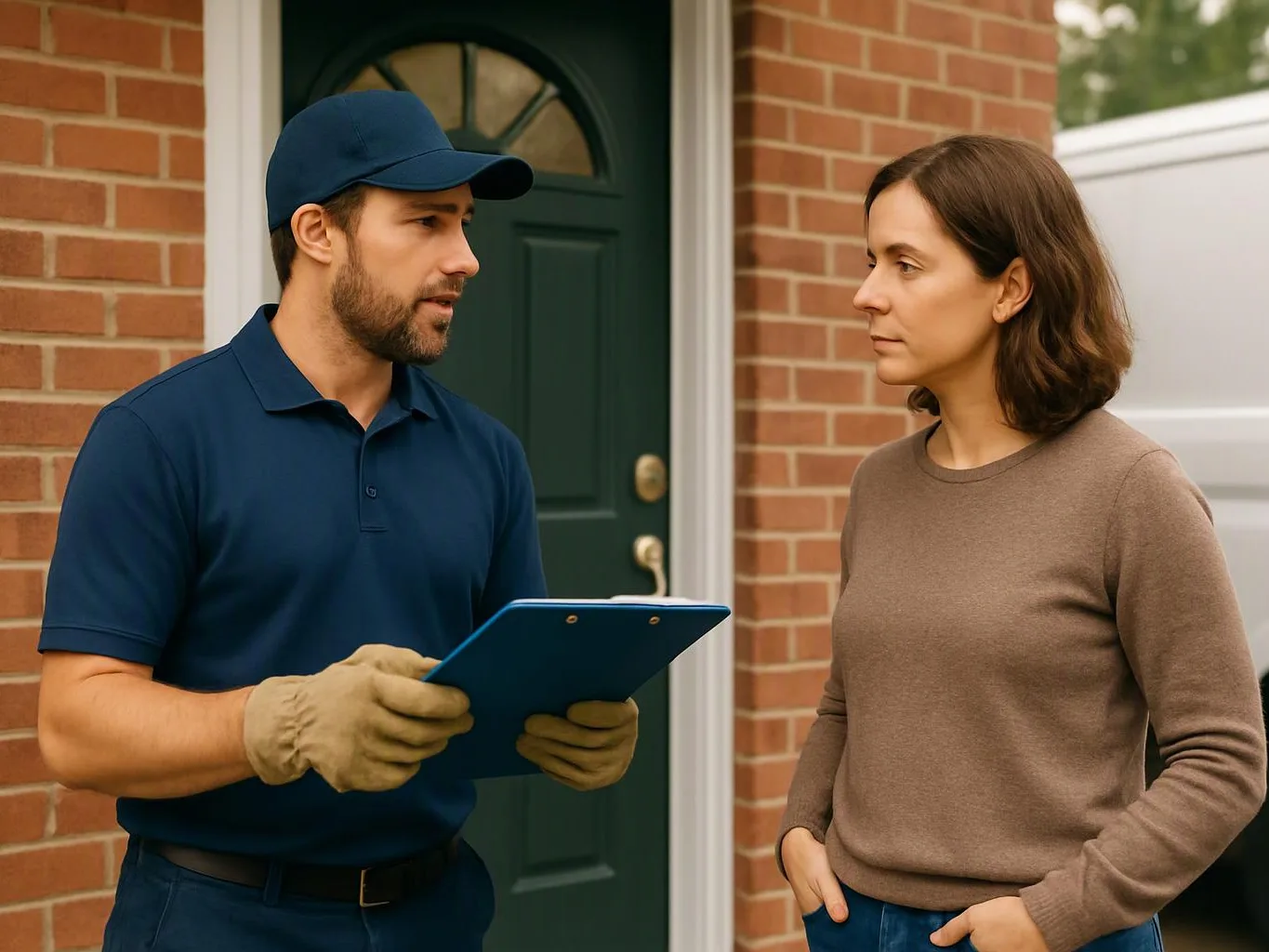
The appointment starts with an evaluation, followed by a written explanation of the proposed installation scope. The work then moves through equipment placement, line connections, safety checks, and a review of the findings. We ask about the property, access, symptoms, and project goals before setting the estimate. That information helps separate replacement work from unrelated plumbing repairs.
What should I do before a plumber checks a failed unit?
Keep the equipment area accessible and shut off the water supply if the tank is leaking. Do not operate a unit with a gas smell, scorch mark, or active electrical concern. Note whether the problem is no hot water, discolored water, noise, or visible leakage. Those details help us focus the evaluation on the unit and its connections.