Who installs sump pumps for homes and remodels for Sump Pump Installation?
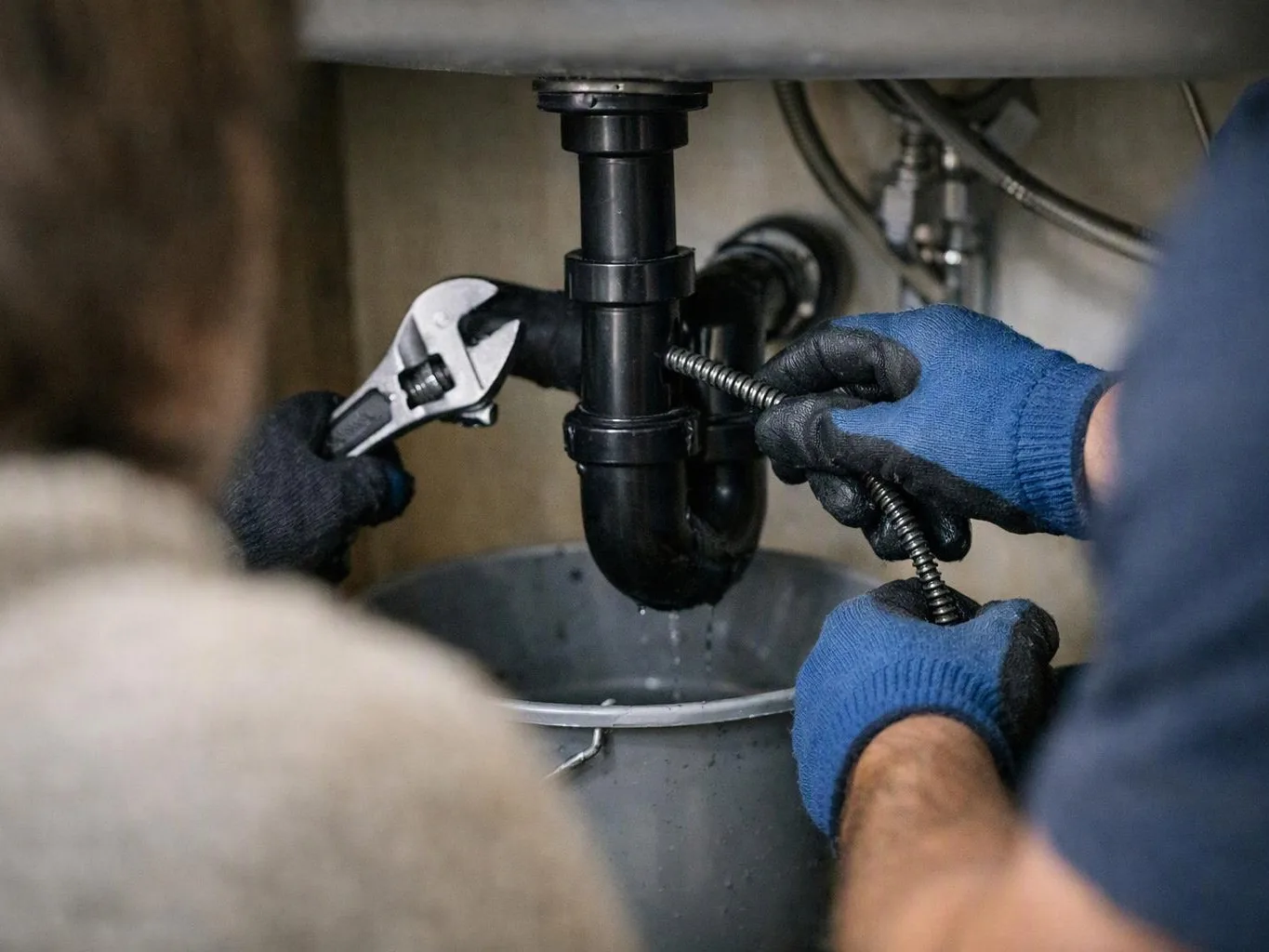
PlumbingKentwa.com installs sump pumps for residential customers, contractors, custom home projects, and remodels. Our team reviews the pit, pump position, float switch, and discharge piping before work begins. We also separate groundwater drainage from ejector pump or sewer work. Customers receive detailed findings and proposed solutions before the installation scope is approved.
What part of the property decides the installation scope for Sump Pump Installation?
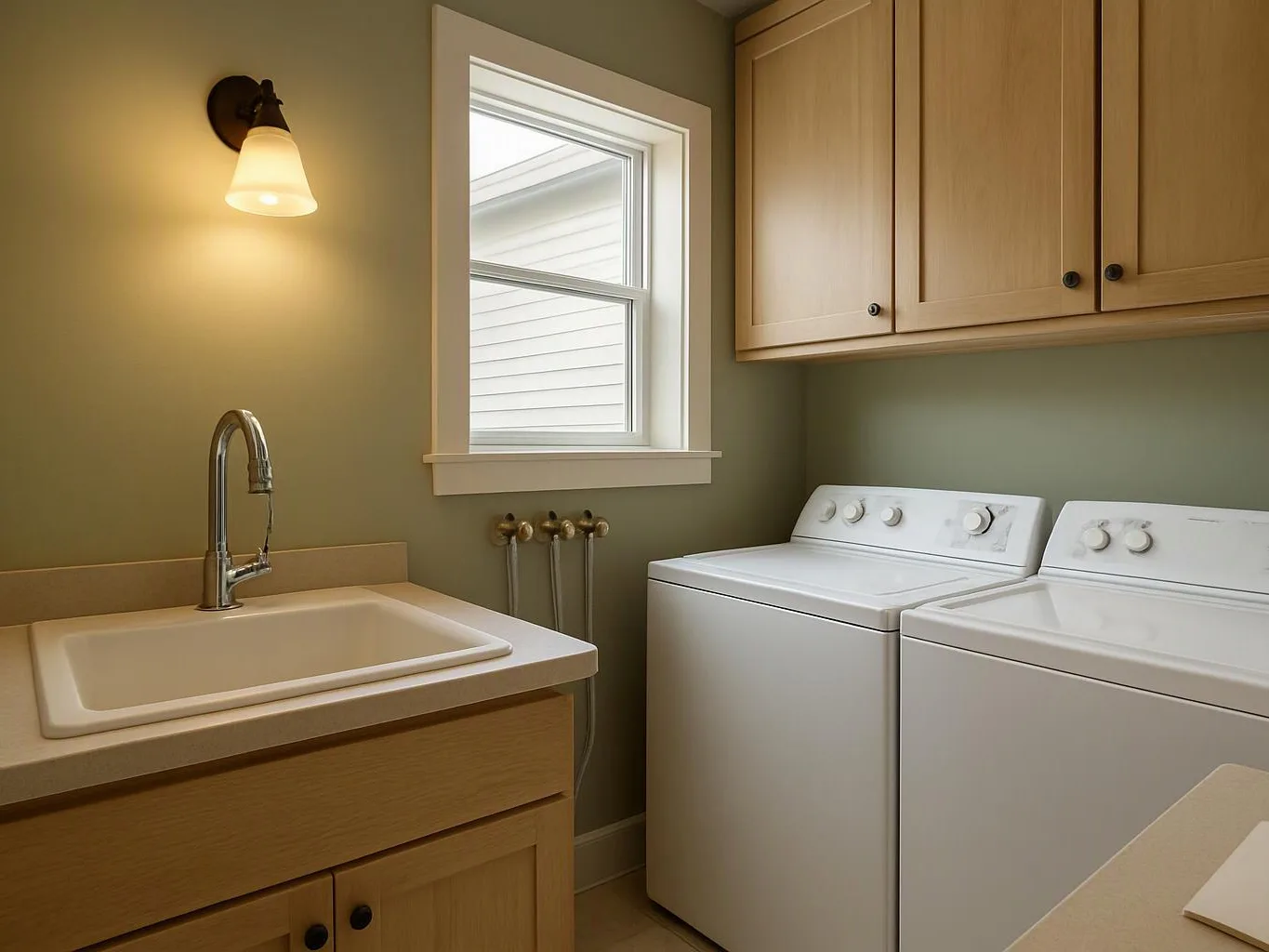
The sump pit and discharge route usually decide the installation scope. Access, pit condition, water entry, pump position, and nearby plumbing also matter. A basement remodel can add access and service concerns around finished surfaces. We review those conditions first, then explain whether the job calls for installation, replacement, discharge repair, or another plumbing service.
How does the appointment move from inspection to completion?
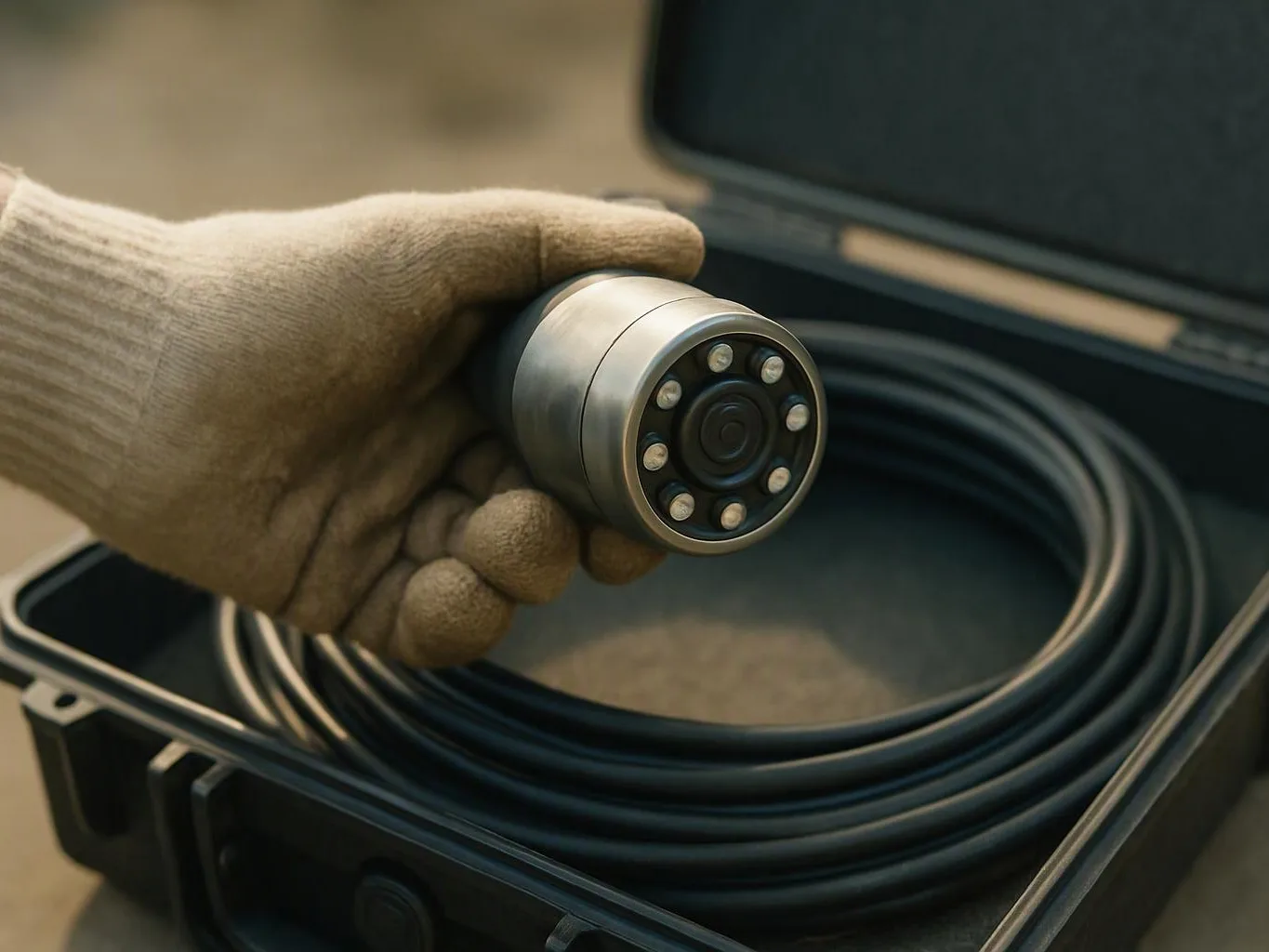
The appointment moves from site review to scope approval, installation, testing, and findings. We inspect the pit and discharge piping first. The agreed scope then guides pump placement and connection work. After testing the float, pump cycle, check valve, and visible discharge, we explain the completed work and any proposed follow-up.
Which warning signs mean the pump needs a closer check?
A silent motor, stuck float, rising water, repeated cycling, or a wet area near the pit calls for a closer check. We inspect the pump, power source, float switch, check valve, and discharge route. A sewer smell or wastewater backup points to a different plumbing issue. Keep electrical devices away from standing water and request service.
When should a replacement pump be considered?
A replacement pump should be considered when the motor fails, the float does not respond, or the pump cannot clear water through a sound discharge route. We first check for blocked piping, power problems, and return flow. Replacing a pump without checking those parts can leave the main problem in place. Our findings guide the repair or installation choice.
Why might a new pump still run often?
A new pump may run often because water continues entering the pit or the discharge route restricts flow. The pit, float setting, check valve, piping, and drainage source need review. Frequent cycling can also point to a pump that does not match the system. We explain the cause before recommending added plumbing work.
What makes the quote change for this plumbing job?
Access, pit condition, discharge piping, pump replacement needs, and related drainage work change the quote. Finished basement areas can require more careful access planning. We review the property and explain the agreed scope before giving flat-rate pricing. A dispatch fee applies to service visits, and that fee is waived when work is completed the same day.