Leaky Faucet Checklist: What to Notice Before Repair
A leaky faucet checklist helps you identify where water appears, when the leak happens, and what changes after the supply valves are closed. At PlumbingKentwa.com, we use these details to guide faucet repair or recommend faucet installation when repair isn’t the right fit.
Request an EstimateWhat to Notice Before Checking the Faucet
A leaky faucet should be assessed by noting where water appears and when the leak occurs.
Start by watching the faucet without touching it. Check whether water comes from the faucet spout, faucet handle, faucet base, or the area below the sink. The pattern can separate a dripping faucet from a slow leak at a faucet connection.
Before You Check the Faucet
A careful visual check helps you spot water stains and protect the cabinet before you handle the supply valves.
Keep the area clear, and use a dry cloth to trace fresh moisture safely. Don’t force a stuck shutoff valve or any faucet part.
These observations show whether the water starts above the sink or below it. They also give our team a clearer starting point for repair diagnosis.
What the Leak Location Can Tell You
A leak from the spout, handle, base, or supply connection points to different faucet parts or connections.
A spout leak often involves an internal seal, cartridge, or washer. A handle leak can involve an O-ring, loose part, or worn cartridge.
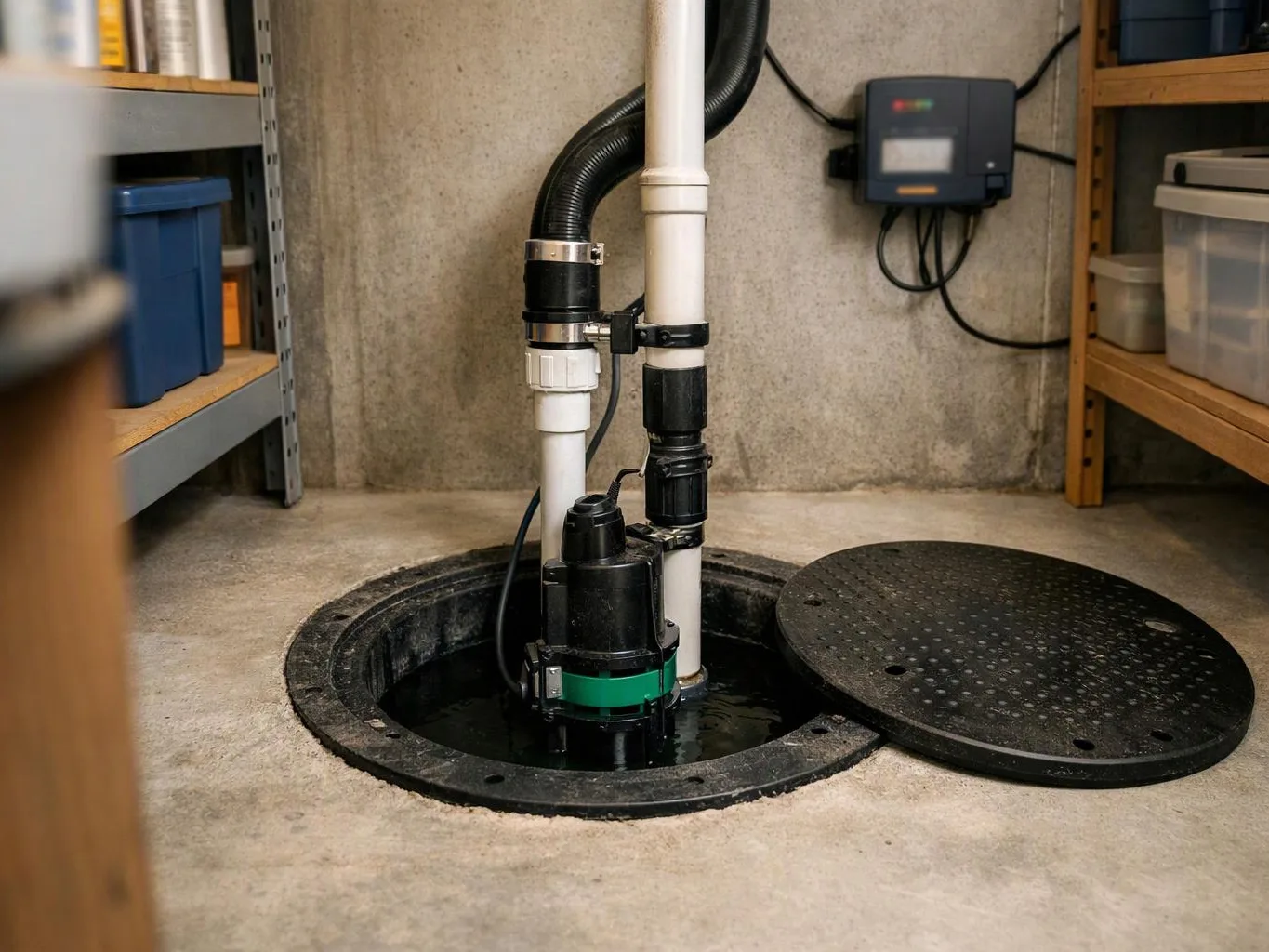
A base leak may come from the faucet body seal or water collecting around the mounting area. An under-sink leak may involve the supply line, shutoff valve, or faucet connection.
Water location does not prove which part has failed. Our team checks the leak source before recommending faucet repair or faucet replacement.
During the Faucet Check
A faucet operation check compares how the fixture behaves with hot water, cold water, and both handles.
Move each handle gently and watch the stream, spray pattern, and nearby connections. Stop if the handle binds or water begins to spread.
A stream that changes with one handle can help narrow the leak source. Our team uses the pattern to guide the next inspection.
Why a Faucet Keeps Dripping
A faucet keeps dripping when an internal seal, valve, or connection no longer controls water fully.
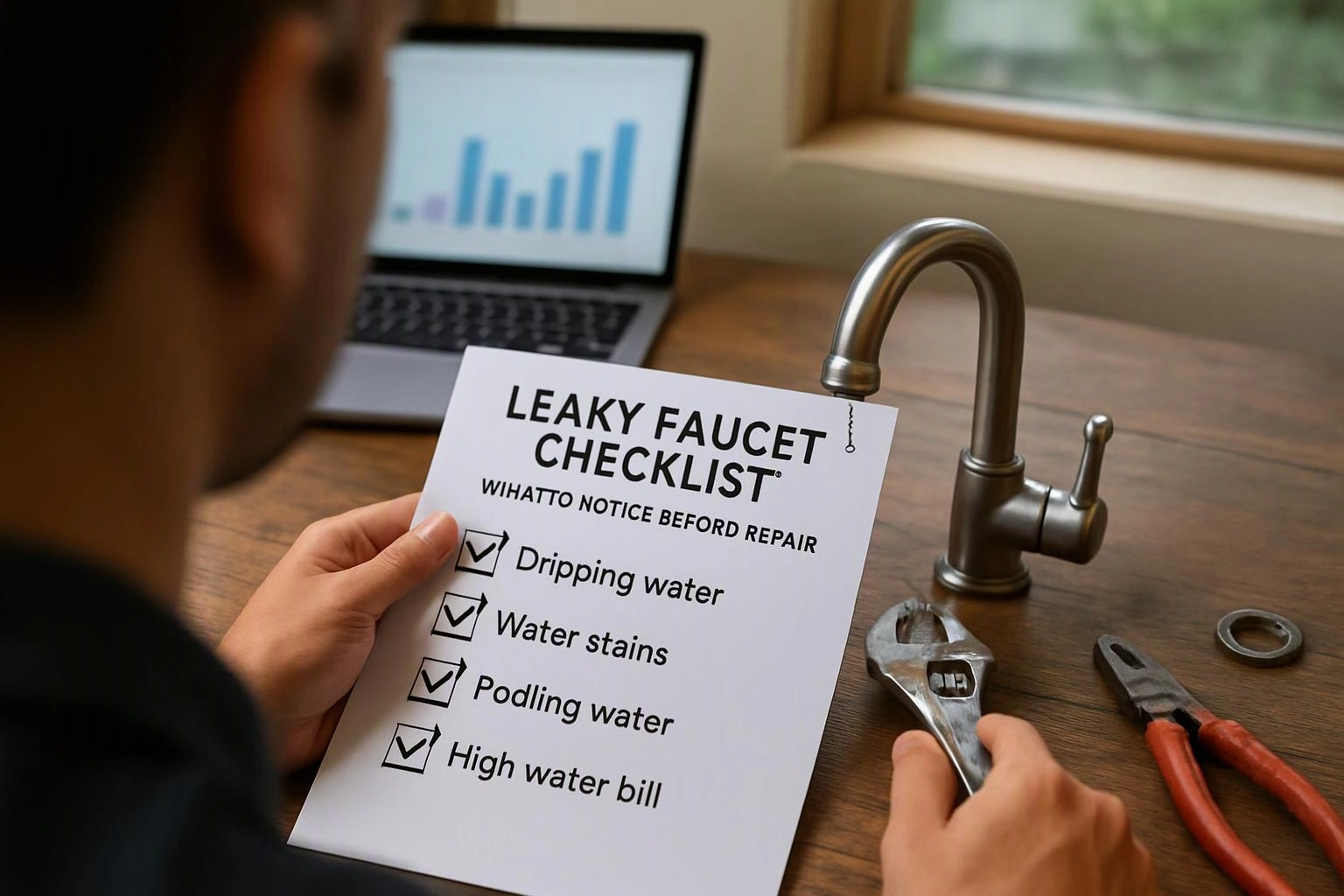
A worn cartridge can allow water past the control inside a cartridge faucet. A compression washer can also lose its seal and leave water moving through the spout.
A damaged valve seat may prevent a tight seal. A loose handle can stop the internal parts from closing correctly.
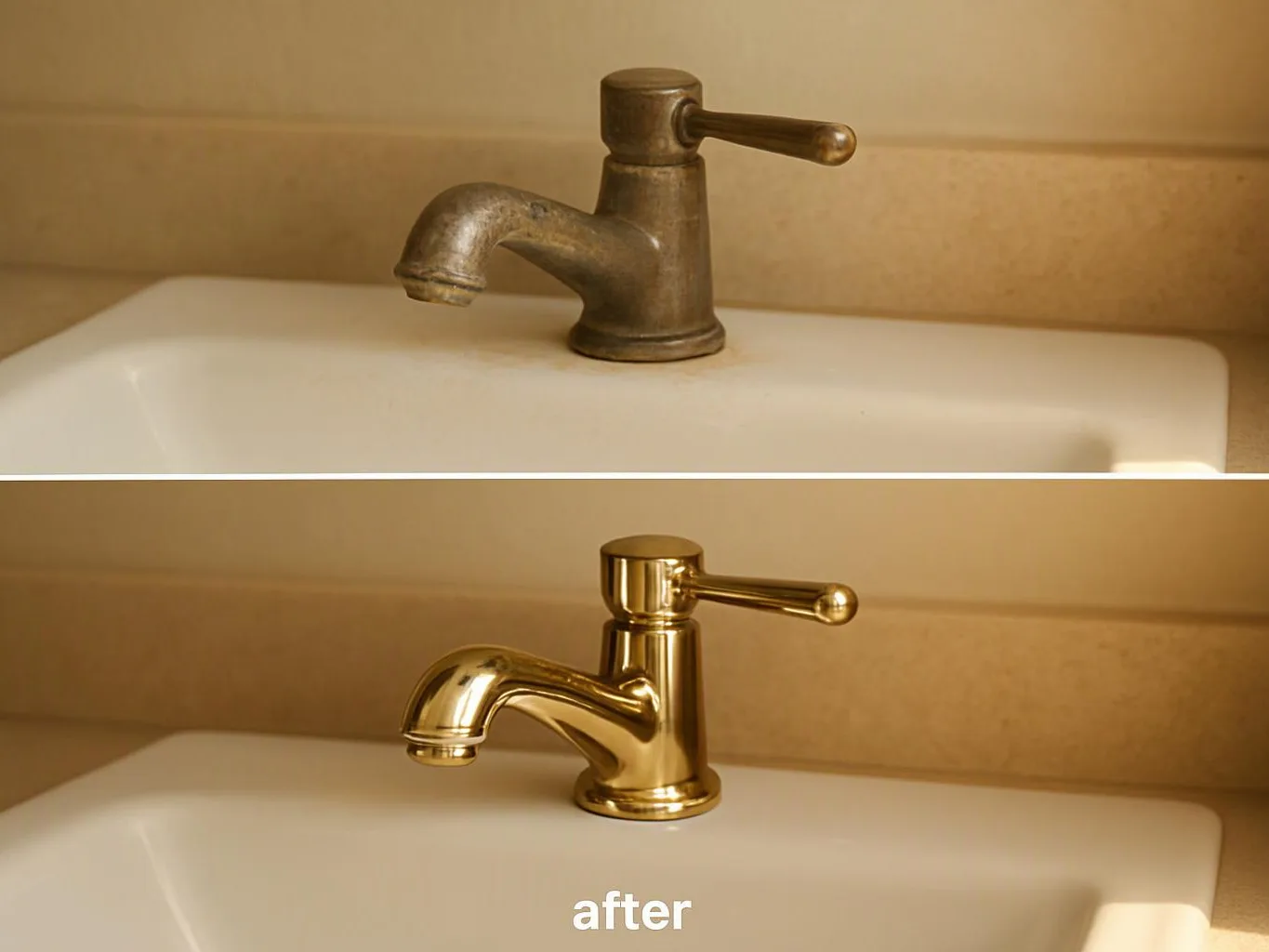
Mineral buildup can affect moving parts and seals. Corrosion can damage the faucet body, valve seat, or connection, which may make faucet installation a better choice.
After Turning Off the Faucet Supply Valves
After the supply valves are closed, check whether residual water drains from the faucet and whether the leak source stays wet.
Do not force a stuck shutoff valve. If the valve won’t close or the cabinet is filling, contact our team for safe inspection.
Water that stops at the faucet may point to an internal faucet problem. Water that continues below the sink may point to the supply line or shutoff valve.
Red Flags That Need Faucet Repair
Several warning signs mean the faucet needs prompt attention to limit water damage.
Stop testing the fixture if the leak grows or a connection looks unsafe. Our team can inspect the faucet and identify the correct repair path.
These signs can involve the faucet, supply line, or nearby plumbing. A quick inspection helps prevent a small faucet leak from spreading.
When a Leaky Faucet Needs Professional Repair
A leaky faucet needs professional repair when the leak continues, the shutoff valve fails, or the faucet has damaged connections or surrounding water damage.
Persistent dripping can waste water and damage nearby surfaces. A damaged faucet body may not hold a new seal securely.
An inaccessible shutoff valve can make the repair unsafe to start without further inspection. Water damage also calls for a careful check below the sink.
We explain the repair diagnosis, inspect the faucet connection, and identify whether faucet repair or faucet installation fits the condition. You can request a quote through our faucet repair service page.
How We Use Your Faucet Checklist
PlumbingKentwa.com uses your observations to identify the likely leak source, explain the repair, and determine whether faucet replacement is more suitable.
We compare the leak location with the faucet’s operation and the condition of its connections. We also look for corrosion, mineral buildup, water damage, and signs that the supply line is involved.
Our faucet inspection helps us explain which part needs attention. We then outline the repair or faucet installation work needed for a reliable result.
The checklist doesn’t replace an inspection, but it gives our team useful details before we arrive. Clear observations can also help us prepare for the right faucet repair service.
Questions About a Leaky Faucet
Can a faucet leak even when the handle is turned off?
Yes, a faucet can leak with the handle off when an internal cartridge, washer, seal, or valve seat fails to stop water fully.
How do I tell whether the leak is from the faucet or the supply line?
The leak location helps separate a faucet leak from a supply line leak. Water at the spout, handle, or base points toward the faucet, while moisture below the sink points toward the supply line or its connection.
Should I replace a faucet that keeps leaking after repair?
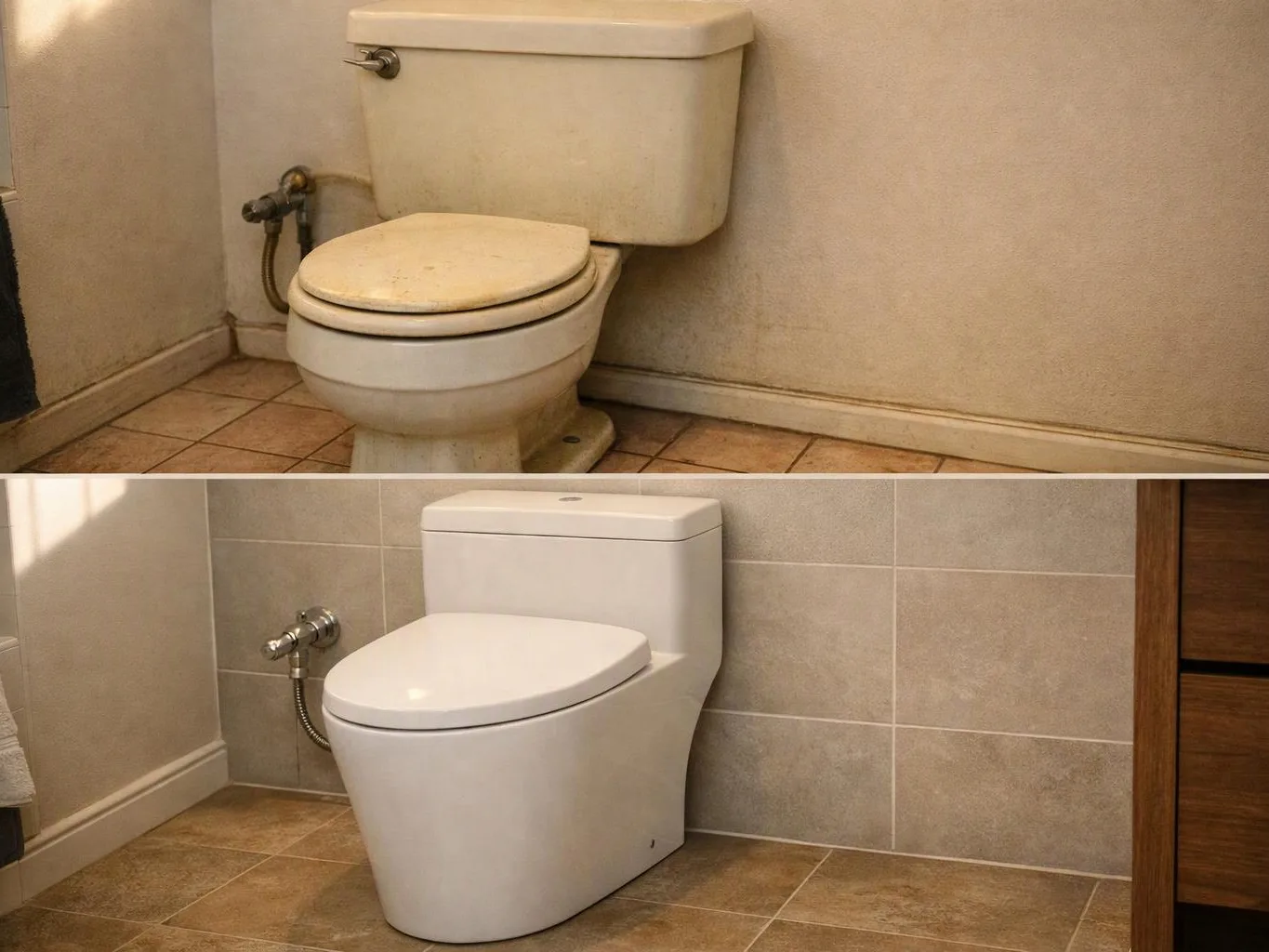
Faucet replacement may be the better choice when the faucet body is damaged, corrosion is severe, or repair parts cannot restore a sound seal.